
Mycosphaerella capsellae
Mycosphaerella capsellae
Mycosphaerella capsellae is an ascomycete fungus that causes grey leaf spot (also known as cylindrosporiosis) in brassica crops. Its asexual stage, Pseudocercosporella capsellae, is the primary infectious phase during the growing season.
What the section contains
Mycosphaerella capsellae
The fungus survives the winter as mycelium or pseudothecia on infected crop debris and stubble left in the field from previous harvests.
During the spring, ascospores are released from the debris and dispersed by wind or splashing rain, initiating primary infections on newly emerged plants.
Optimal development of the pathogen occurs at temperatures between 15°C and 22°C, combined with high humidity levels and frequent rainfall, which facilitate spore germination.
The disease life cycle is highly dependent on environmental conditions, with prolonged wet weather significantly accelerating the spread of the infection within the canopy.
The host range is limited to the Brassicaceae family, with winter and spring rapeseed being the most economically significant hosts for this pathogen.
The fungus attacks various parts of the plant, including leaves, stems, petioles, and pods, causing significant tissue damage and necrosis.
By infecting leaves, the fungus severely disrupts photosynthesis, leading to reduced energy reserves and lower overall biomass accumulation in the plants.
When pods are infected, the pathogen can cause premature splitting and seed shriveling, directly impacting the final yield quantity and quality.
In severe cases of infestation, yield losses can range from 20% to over 40%, particularly in regions characterized by cool and rainy growing seasons.
The initial symptoms include the appearance of small, light grey or whitish spots with a distinct dark margin on the lower, older leaves.
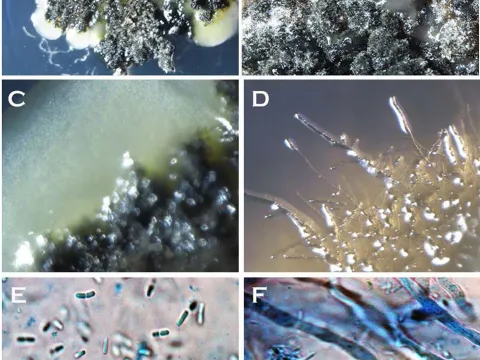
Under humid conditions, a greyish mould may be visible on the surface of the lesions, which consists of the fungus's conidia and conidiophores.
As the disease progresses, these spots enlarge and coalesce, eventually covering large portions of the leaf surface and causing leaves to yellow and wilt.
Stem lesions appear as elongated grey patches that can weaken the stalk, leading to lodging if the infection is severe enough during the late vegetative stage.
- Light grey lesions with dark borders.
- Greyish fungal growth on leaf undersides.
- Yellowing and premature leaf abscission.
- Dark, elongated lesions on stems and petioles.
- Deformed or prematurely split pods.
Implementing a strict crop rotation program is the most effective cultural practice, ensuring a gap of at least 3 to 4 years between brassica crops.
Proper soil management is critical; deep plowing or incorporating crop residues helps speed up the decomposition process, effectively reducing the inoculum load.
Weed control is essential, as various wild cruciferous weeds can serve as alternative hosts and reservoirs for the fungus throughout the year.
Chemical control using fungicides, particularly those containing triazoles or strobilurins, should be applied preventatively or upon early detection of symptoms.
Choosing resistant or tolerant crop varieties remains the most sustainable approach for managing grey leaf spot and minimizing dependence on chemical applications.