
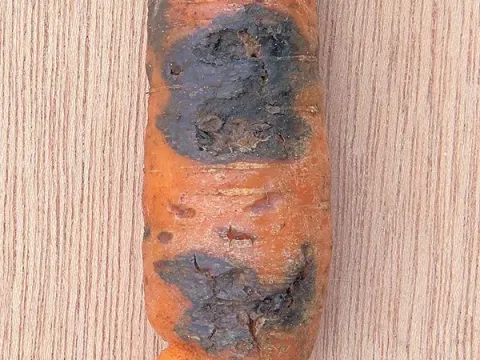
Mycocentrospora acerina
Mycocentrospora acerina
Mycocentrospora acerina is a significant fungal pathogen known as an imperfect fungus. It belongs to the division Ascomycota and is classified as a serious threat to various crops worldwide.
What the section contains
Mycocentrospora acerina
The fungus is highly versatile and capable of infecting a broad range of hosts, including vegetables, ornamental trees, and even medicinal plants, making it a difficult pathogen to manage.
It survives in the soil and on crop debris for extended periods, mainly through the production of chlamydospores, which are resistant to harsh environmental conditions.
The pathogen thrives in cool, moist environments. Its biological cycle is heavily dependent on moisture, which facilitates the germination of spores and the infection of host tissues.
Transmission occurs primarily through contaminated soil, infected seeds, or the movement of machinery and water during rainy periods, allowing the fungus to spread across fields.
The fungus causes severe root rot and crown rot in vegetables such as carrots, celery, and parsnips, often leading to total crop failure if left unchecked.
In ornamental nurseries, it causes leaf spots and twig blight on various tree species, most notably maple trees, significantly reducing the aesthetic and commercial value.
The pathogen is particularly damaging in storage conditions, where it can rapidly rot large quantities of harvested root vegetables, leading to significant economic losses.
Young seedlings are highly susceptible to the disease, often suffering from damping-off, which causes the stems to collapse and results in poor plant stand density.
Older plants that survive the initial infection show stunted growth and decreased yield quality, often producing deformed or discolored root systems that are unsuitable for market.
The infection is most prevalent during cool and wet seasons, particularly in late autumn or early spring when temperatures are moderate and soil moisture is high.
In greenhouses, the disease can occur year-round if the environment is kept humid and if hygiene practices are poor, allowing the pathogen to persist indefinitely.
Primary inoculum sources include soil-borne spores that activate as soon as temperatures rise above 5°C, triggering the infection process in the early stages of plant growth.
Secondary spread via conidia is extremely rapid during periods of frequent rainfall or overhead irrigation, as water droplets easily disperse the spores to healthy plant parts.
Winter survival is not a limiting factor for this pathogen, as it can endure freezing temperatures in the soil, ready to infect new crops in the subsequent growing season.
Early symptoms include small water-soaked spots on leaves or roots, which eventually expand and turn brown or black as the tissue begins to decay.
Root symptoms typically involve dark, necrotic lesions that may merge to cover the entire surface, leading to the disintegration of the root cortex.
Affected stems often show a constriction or dark band at the base, which eventually leads to the wilting and eventual collapse of the entire plant structure.
Under high humidity, a grey or white mycelial mat may appear on the surface of the infected tissue, which is a key diagnostic feature for identifying this fungus.
Internal tissue browning or discoloration is common in infected root crops, and this damage often makes the vegetables susceptible to secondary bacterial infections.
Implementing a strict crop rotation schedule, avoiding susceptible crops for several years, is essential to decrease the level of soil-borne inoculum.
Proper soil management, including excellent drainage and avoiding high planting densities, helps maintain an environment that is less favorable for fungal development.
Selecting certified, pathogen-free seeds and using disease-resistant cultivars significantly lowers the risk of introducing the fungus into the field.
In storage facilities, keeping temperatures as low as possible and ensuring good ventilation are critical steps to prevent the spread of the fungus among stored products.
- Sanitize agricultural tools and machinery after use in infested areas.
- Remove and destroy all crop residues after harvest to eliminate inoculum sources.
- Use systemic fungicides only when necessary and in accordance with local regulations.
- Monitor soil moisture levels closely, especially in the early stages of crop development.