
Mucor piriformis
Mucor piriformis
Description
How to identify
Mucor piriformis is a fungus within the Mucoraceae family, known for its ability to cause serious post-harvest decay. It is classified as a soil-borne facultative parasite that can transition from saprophytic life to active infection.
The fungus produces a rapid-growing, coarse, cottony mycelium. This vegetative structure forms sporangiophores with spherical sporangia at their tips, which contain massive numbers of reproductive spores.
A key biological feature is the formation of zygospores, which allow the fungus to endure harsh environmental conditions. These structures persist in the soil, ensuring the pathogen survives from one growing season to the next.
Unlike many other storage rots, Mucor piriformis is psychrotrophic, meaning it can continue to grow at temperatures near freezing. This biological adaptation makes it a formidable threat in refrigerated storage facilities.
Under microscopic analysis, the sporangia exhibit a characteristic dark, globose appearance upon maturity. This helps in distinguishing it from other common molds like Penicillium or Botrytis.
What it damages
The pathogen primarily attacks fleshy fruits, including apples, pears, peaches, and nectarines. It typically enters the fruit through surface wounds, insect feeding sites, or bruises sustained during harvest.
Once established, the infection spreads rapidly, especially in high-density storage conditions. Contaminated fruit releases spores that can quickly colonize adjacent healthy specimens via contact.
Economic losses are severe, as the pathogen causes a complete breakdown of internal fruit tissues. The rapid degradation renders the produce unsalable and unsuitable for processing.
In addition to direct tissue destruction, the production of secondary metabolites by the fungus can affect the overall quality and safety of the harvest. The rot often progresses so quickly that entire crates can be lost within a short period.
Damage is most prevalent in long-term storage scenarios where environmental controls may be slightly compromised, allowing the fungus to outpace standard preservation protocols.
When it appears
Infection cycles begin in the orchard, where spores are splashed onto fruit from the soil by rain or wind. Fruit lying on the ground is highly susceptible to initial colonization.
During the harvest period, if the fruit is wet or conditions are humid, the risk of spore germination increases significantly. Handling fruit when wet often leads to higher infection rates in storage.
The fungus is most active in storage between the late autumn and spring months. Constant humidity levels above 90 percent are a major driver for the development of fungal colonies within the storage rooms.
Temperature management is the primary factor limiting the fungus during the winter season. Even a slight increase in temperature within a cold room can trigger rapid development of the mycelium.
The cycle is completed when infected fruit residues are returned to the soil or dumped in field refuse piles, reintroducing the pathogen to the environment and sustaining the local population of zygospores.
Signs of infestation
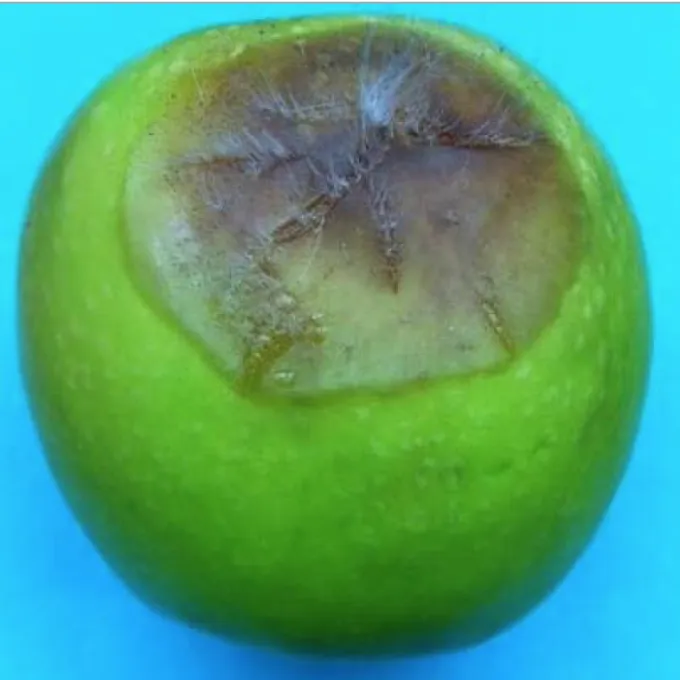
The initial sign of infection is a small, soft, water-soaked spot on the surface of the fruit. This lesion expands rapidly, causing the underlying tissue to become watery and soft.
Soon, a dense, grayish-white, whisker-like mycelial mat covers the area. As the sporangia develop, the mat becomes speckled with tiny black dots, indicating intense sporulation.
The internal tissue loses all structural integrity, often turning into a semi-liquid, pulpy mass. A characteristic fermented or sour odor is usually present during advanced stages of decay.
- Rapid development of white, fluffy surface mycelium.
- Formation of dark, pin-head-sized sporangia.
- Tissue liquefaction and loss of firmness.
- Distinctive sour smell of decaying fruit.
Severely infected fruits may collapse under their own weight. The fungus is highly contagious, and the mycelium can easily spread through contact to neighboring healthy fruits in storage bins.
Control measures
Sanitation is the most effective tool in controlling this pathogen. Removing fallen fruit from the orchard floor significantly reduces the inoculum potential in the soil.
Careful handling during harvest is essential to prevent skin abrasions. Since Mucor piriformis requires a point of entry, minimizing mechanical damage drastically lowers the risk of infection.
In storage, maintaining a strict cold chain is paramount. Quick cooling of fruits immediately after harvest and maintaining humidity levels below the threshold favored by the fungus are critical.
Fungicide applications in the orchard can help reduce the spore load before the fruit enters the packing house. Such treatments must comply with local residue regulations and safety standards.
Proper sorting to discard any damaged or bruised fruit before storage prevents the creation of "infection centers" that could lead to the loss of an entire storage lot.
Causes diseases · 1
Discussion
No discussions yet — be the first.