
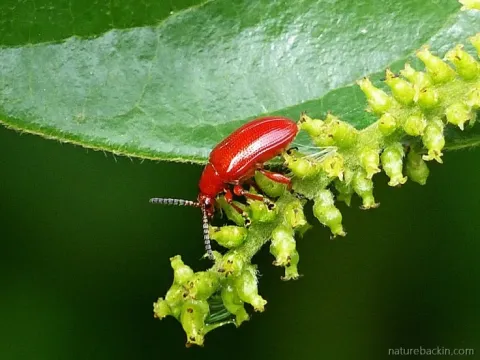
Insect feeding
Insect feeding
Insect feeding refers to the mechanical damage caused by phytophagous insects to plant tissues, which disrupts vital physiological processes. Depending on the insect's mouthparts, the damage is classified as chewing, piercing-sucking, or rasping.
What the section contains
Insect feeding
Systematically, these organisms belong to the kingdom Animalia, class Insecta. As plant pathogens, they act not only as pests consuming plant biomass but also as primary vectors for various viruses, phytoplasmas, and bacterial infections.
Diagnosis involves a thorough visual inspection of vegetative organs. It is essential to categorize the type of damage: leaf holes, stem twisting, leaf curling, or the presence of insect frass, which helps in identifying the specific pest species.
Successful identification requires analyzing the location of the pest, such as the underside of leaves, axils, or under the bark. Distinguishing between monophagous insects, which target specific plants, and polyphagous ones, which impact various crops, is crucial.
In practice, pheromone or sticky traps are often utilized to monitor insect populations accurately, enabling farmers to make informed decisions regarding the timing and selection of control strategies.
Insect feeding affects virtually all agricultural crops, including cereals, vegetables, orchards, and berries. Insects consume roots, stems, leaves, flowers, and fruits, leading to a significant reduction in both yield volume and market quality.
Beyond direct biomass loss, feeding creates entry points for secondary infections. Through the wounds inflicted by pests, fungal spores and pathogenic bacteria easily penetrate the plant, often leading to rot and systemic disease.
Piercing-sucking insects, such as aphids or leafhoppers, extract plant sap and inject saliva containing enzymes. This process frequently results in organ deformation, chlorosis, and stunted growth of the host plant.
Seedlings and young plants are particularly vulnerable, often suffering permanent damage or complete mortality in the field. Early-stage protection is vital for crop establishment and future yields.
Economic losses result from direct crop destruction and the increased necessity for remedial fungicide treatments intended to mitigate the secondary health issues caused by pest activity.
The activity period of insects is heavily influenced by climatic factors, specifically temperature and humidity levels. Most phytophagous insects initiate their damaging activities once temperatures reach favorable spring levels.
The life cycle typically includes eggs, larvae, pupae, and adults. Damage is most frequently caused during the larval stage, which is characterized by high metabolic activity and rapid nutrient intake.
In hot and dry summer conditions, many insect species complete multiple generations, leading to explosive population growth and widespread damage across agricultural fields.
Autumn marks the preparation phase for diapause or hibernation. During this period, insects often migrate to weeds or seek shelter in the soil, ensuring their survival and potential infestation for the following season.
Predicting pest outbreaks involves tracking accumulated heat units (growing degree days) via weather stations, allowing agronomists to forecast peak activity and apply controls before thresholds are exceeded.
Common visual signs of insect feeding include:
- Holes, notches, or skeletonized leaf tissue.
- Curling, yellowing, and premature leaf drop.
- Presence of webs, fluffy residues, or sticky secretions (honeydew).
- Formation of galls or tumor-like growths on stems and leaves.
- Fruit deformation and internal tunnels within seeds or stems.
It is important to observe associated indicators, such as the presence of ants protecting aphid colonies or the arrival of beneficial predators, which can signal the density of the pest population.
Effective control relies on cultural practices, including crop rotation, field sanitation, deep plowing to disturb overwintering sites, and the use of resistant plant varieties.
Biological control involves the introduction or conservation of natural enemies, such as Trichogramma wasps or lacewings, which naturally suppress pest numbers and restore ecological balance.
Chemical control employs systemic or contact-stomach insecticides. It is critical to rotate pesticide modes of action to prevent the development of insecticide resistance within the insect population.
Monitoring the Economic Threshold (ET) is mandatory. Chemical interventions should only be implemented when projected crop losses exceed the cost of the treatment, ensuring cost-effective and responsible management.
Integrated Pest Management (IPM) combines these strategies to minimize chemical loads on the environment while ensuring safe, high-quality agricultural production through multi-layered defense techniques.