
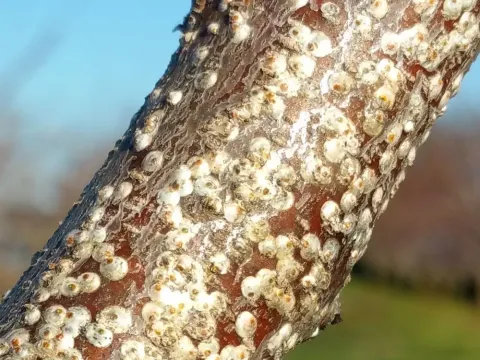
Insect toxic saliva
Toxic saliva
Insect toxic saliva consists of a complex mixture of enzymes and biologically active substances produced by the salivary glands of phytophagous insects during feeding.
What the section contains
Insect toxic saliva
When an insect probes plant tissue, these salivary secretions are injected, which can lead to significant phytotoxic reactions within the plant cells.
The secretion typically contains various enzymes like pectinases, amylases, and proteases designed to break down plant cell walls to access nutrients.
Beyond digestive enzymes, some insect species inject growth-regulating compounds that can drastically alter the plant's normal hormonal balance.
This biochemical interaction is a primary cause of systemic injuries, as the toxins can travel through the plant's vascular system far from the initial feeding site.
A wide range of crops including cereals, vegetables, and fruit trees are susceptible to the damage caused by these toxic salivary secretions.
Hemipteran insects, such as aphids, bugs, and leafhoppers, are the most frequent culprits responsible for injecting these harmful substances into plant hosts.
The damage often results in the inhibition of nutrient transport, which weakens the plant and significantly reduces both yield quality and quantity.
Fruit and vegetable crops often show signs of physical deformation, such as hardened patches, pits, or irregular shapes, making the produce unmarketable.
Cereals may suffer from severe growth retardation, with the death of the central shoot being a common outcome following heavy infestation.
The damage caused by toxic saliva is most prevalent during the active growing season when insect populations reach their peak density.
Early season damage to seedlings is particularly critical, as young tissues are highly sensitive to the initial injection of salivary toxins.
During hot summer months, the metabolic activity of insects increases, leading to more frequent feeding and a cumulative toxic effect on the host plants.
Late-season migrations of pests to winter crops can introduce toxins into plants that are preparing for dormancy, potentially affecting their overwintering success.
Monitoring the seasonal lifecycle of specific insect vectors is essential for predicting periods of maximum vulnerability for the crops.
Initial symptoms often appear as localized chlorotic spots or necrotic lesions at the exact points where the insect mouthparts punctured the tissue.
Leaf curling, crinkling, and abnormal plant growth patterns are frequent indicators that salivary toxins have disrupted the plant's hormonal signaling.
Reproductive organs such as flowers and developing fruits are highly prone to shedding or structural deformity due to the physiological stress caused by the toxins.
Stunting and discoloration of the entire plant or specific branches often signify a systemic spread of the salivary components through the phloem.
- chlorotic and necrotic spots;
- leaf curling and deformation;
- premature fruit or flower drop;
- stunted vegetative growth.
The most effective strategy involves regular monitoring of pest populations and the application of insecticides when threshold levels are exceeded.
Systemic insecticides are generally preferred as they prevent the insects from initiating feeding, thereby stopping the injection of toxic saliva.
Integrated Pest Management (IPM) practices, such as controlling weed reservoirs, are crucial for reducing the source of insect infestations near fields.
Crop rotation and selecting resistant cultivars that possess physical or chemical defenses can help minimize the impact of toxic saliva on crop production.
Adopting biological control measures, including the introduction of natural predators, can help maintain insect populations below the damage-causing threshold.