
Inonotus tomentosus
Inonotus tomentosus
Description
How to identify
Inonotus tomentosus, commonly known as the woolly velvet polypore, is a basidiomycete fungus that belongs to the family Hymenochaetaceae. It is a well-known forest pathogen responsible for significant wood decay.
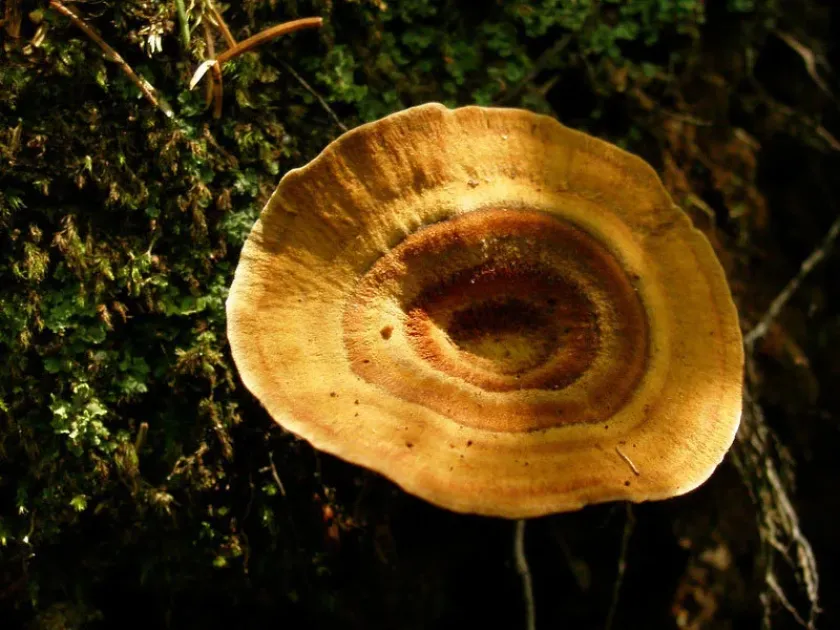
The fungus produces annual fruiting bodies that typically grow around the base of infected trees or on the roots. These fruiting bodies are characterized by a velvety or tomentose surface, ranging in color from yellowish-brown to dark rusty brown.
The underside of the fruit body is a poroid surface with small, rounded pores. The context of the fungus is firm and leathery, displaying a distinct brownish hue when cut, which is a diagnostic feature for field identification.
The fungus is categorized as a white-rot pathogen. It specializes in colonizing the root systems and the lower trunk area of living conifers, eventually causing structural failure of the host tree.
Microscopic analysis reveals characteristic spores and mycelial structures that penetrate and digest lignin and cellulose, leading to the formation of white pocket rot within the woody tissue.
What it damages
The primary hosts for Inonotus tomentosus include various coniferous species such as spruce, pine, fir, and larch. Both young plantations and mature forest stands are susceptible to infection.
Spread occurs primarily through root-to-root contact, which facilitates the development of large disease centers where multiple trees become infected in succession. This is common in densely planted stands.
The fungus causes severe root and butt rot, significantly reducing the tree's stability. Consequently, affected trees are highly prone to windthrow, even in moderate weather conditions, causing significant economic losses.
As the rot progresses, the tree's water and nutrient uptake are severely impaired, leading to a decline in growth and vigor. Eventually, the infected tree may die standing or fall, creating gaps in the forest canopy.
The cumulative damage includes not only timber loss but also the long-term degradation of forest health, which complicates forest management and reforestation efforts in affected areas.
Signs of infestation
Visual symptoms often start with a thinning crown and yellowing needles, as the tree struggles to transport water due to damaged roots. These symptoms are often mistaken for environmental stress or drought.
The presence of annual fruiting bodies near the base of the tree or on the soil surface above roots is the most definitive sign of an advanced state of decay. These are typically observed during late summer or autumn.
Upon examination of the wood in the butt log, a white pocket rot is evident, often accompanied by dark lines that delineate zones of fungal activity. This rot weakens the core structure of the tree.
Increased resin flow near the root collar is a defensive response of the host tree to fungal invasion. However, this response is usually insufficient to stop the spread of the mycelium within the host.
Frequent windthrow events within a specific stand are a critical warning sign that a root rot pathogen is present, even if fruiting bodies are not immediately visible on the surface.
Control measures
Effective management focuses on the early detection and removal of infected trees and their stumps. Removing stumps is essential as they serve as reservoirs for the fungus, allowing it to persist in the soil.
Minimizing mechanical injury to roots and the lower trunk during logging and thinning operations is crucial. Open wounds serve as entry points for spores or allow for easier transmission via contact.
Promoting diverse forest stands by mixing coniferous and deciduous species can slow the spread of the disease, as the pathogen is less likely to jump between different host types through root contact.
Chemical control is generally impractical in a forest setting; therefore, preventative silvicultural practices, such as site preparation and proper spacing, remain the standard for reducing disease impact.
Regular forest health monitoring and the mapping of infection centers allow for targeted interventions, helping to prevent the disease from spreading to adjacent healthy forest stands.
Causes diseases · 1
Discussion
No discussions yet — be the first.