
Impatiens necrotic spot virus
Impatiens necrotic
Description
How to identify
Impatiens necrotic spot virus (INSV) is a destructive plant virus belonging to the Orthotospovirus genus within the Tospoviridae family. It is a major pathogen impacting both ornamental crops and various vegetables globally.
The virus is characterized by its high variability and wide host range. It is not seed-borne but can be transmitted through infected vegetative propagules and, most significantly, by insect vectors in the thrips family.
The primary vector for INSV is the western flower thrips (Frankliniella occidentalis). Thrips larvae must acquire the virus while feeding on infected plant tissue; once they reach the adult stage, they can transmit the virus to healthy plants throughout their lifespan.
Because the virus can persist within the thrips population, a single infected plant can quickly lead to an outbreak across an entire greenhouse. This makes INSV one of the most feared pathogens for greenhouse growers.
Accurate identification of INSV is often difficult due to its ability to mimic symptoms caused by other environmental stresses or fungal pathogens. Diagnosis typically requires laboratory testing such as ELISA or PCR to confirm the presence of the virus.
What it damages
INSV causes severe damage to various ornamental species, including Impatiens, Begonia, Cyclamen, Gloxinia, and Petunia. Infected plants often show significant loss of quality, rendering them unsalable in commercial markets.
Vegetable crops such as tomatoes, peppers, and cucumbers are also susceptible. The virus damages the plant's vascular system, leading to stunted growth, reduced yields, and lower overall quality of produce, including fruit spotting.
In highly susceptible species, INSV can lead to total plant collapse and death within a short period of time. Even if plants survive, their growth patterns are often so severely altered that they no longer meet aesthetic standards.
Economic losses are compounded by the cost of intensive thrips management and the necessity of destroying entire batches of infected plants. The rapid spread of the virus makes it a high-risk factor for greenhouse profitability.
The pathogen disrupts vital physiological processes such as nutrient uptake and photosynthesis. This leaves the plant weak, less productive, and more susceptible to secondary infections by fungi or bacteria.
Signs of infestation
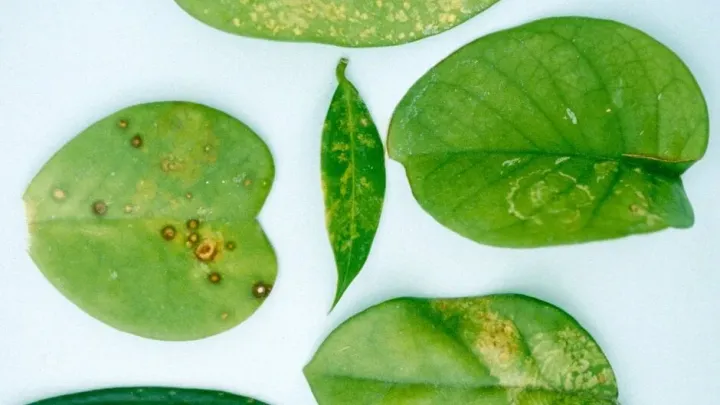
Symptoms of INSV are extremely variable, ranging from ringspots and mosaic patterns to severe necrosis. Foliar symptoms often include yellow or brown spots that merge and result in tissue death (necrosis).
Deformation of leaves and stems is common. In many instances, the terminal shoots may die, which triggers excessive branching or a stunted, "witches' broom" appearance, drastically changing the plant's natural morphology.
Flowers of infected plants frequently display color-breaking, stripes, or irregular spots. This loss of aesthetic appeal is a major concern for commercial floriculture, where uniform coloration is essential for quality control.
Stems may develop necrotic streaks or lesions, which can appear sunken. In fruit-bearing plants like tomatoes, necrotic rings or patterns may manifest on the surface of the fruit, making them unsuitable for consumption or sale.
- Chlorotic or necrotic ringspots on leaves.
- Stunted growth and distorted leaf development.
- Necrotic streaks on stems and petioles.
- Color-breaking or blotchy patterns on flowers.
- Apical necrosis leading to the death of growing tips.
Control measures
The cornerstone of INSV control is sanitation. Infected plants must be identified, rogued, and destroyed immediately to eliminate the source of inoculum from the greenhouse environment.
Management of the thrips population is essential to stop the spread of the virus. This involves a robust integrated pest management (IPM) program utilizing chemical insecticides in rotation to prevent the development of pesticide resistance.
Monitoring thrips levels with blue or yellow sticky traps is a mandatory practice for early detection. Traps should be placed at plant canopy level and checked weekly to adjust pest control interventions accordingly.
Biological control, using predatory mites such as Amblyseius cucumeris or Orius bugs, can effectively suppress thrips populations and reduce the risk of viral transmission in a sustainable manner.
Strict hygiene protocols for personnel and equipment are critical. Tools should be disinfected frequently, and weed control inside and around the greenhouse is vital, as weeds can act as reservoirs for both the virus and its thrips vectors.
Causes diseases · 4
Discussion
No discussions yet — be the first.