
Dolichodorus heterocephalus
Dolichodorus heterocephalus
Description
How to identify
Dolichodorus heterocephalus, commonly known as the awl nematode, is a microscopic soil-borne phytoparasite belonging to the family Dolichodoridae. It is an ectoparasite that feeds on root tissues from the outside without entering the roots entirely.
The adult nematode has an elongated body and a notably long, slender stylet. This mouthpart is specialized for piercing plant cells and extracting nutrients, which causes mechanical and physiological damage to the host.
The life cycle includes four larval stages, which are morphologically similar to the adults. The nematode thrives in saturated, moist soil conditions, typically found in sandy or wet habitats.
Its taxonomic classification places it within the phylum Nematoda. Because of its microscopic size, field identification is impossible without laboratory analysis of soil and root samples.
Due to its wide host range, this nematode can survive in the absence of a primary crop, making it a persistent challenge for integrated pest management programs.
What it damages
This nematode targets a diverse array of crops, including vegetables, ornamental plants, and turfgrass. It is particularly damaging to plants grown in moist, sandy soil environments.
Key agricultural hosts include tomatoes, celery, onions, and maize. In ornamental horticulture, it is a significant pest of turf, causing severe damage to root systems and overall plant vitality.
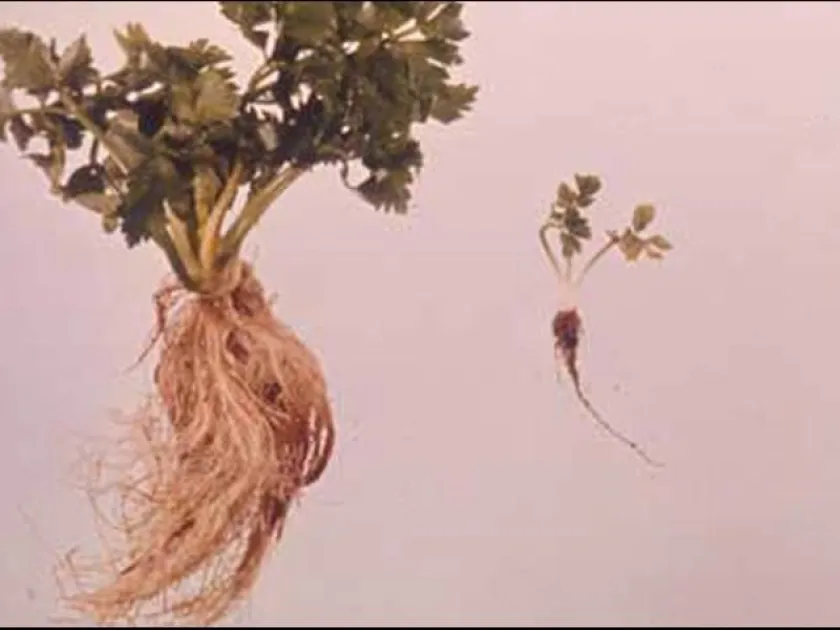
The damage caused by feeding results in stunted roots, lack of lateral root development, and necrotic lesions. These injuries severely impair the plant's ability to take up water and essential nutrients.
Economic impact is significant, leading to reduced crop yields, poor quality of produce, and, in severe cases, total plant failure. Affected plants are also more susceptible to secondary pathogens.
Because the nematode feeds on the roots, the symptoms often mimic environmental stress, which can delay diagnosis and exacerbate crop losses over time.
Signs of infestation
Symptoms often appear as patches of uneven plant growth in fields or lawns. Plants show symptoms of chlorosis and general stunting, which are classic signs of poor nutrient absorption.
When roots are inspected, they often appear stubby or stunted with dead, dark tips. The reduction in fine root hairs is a hallmark sign of Dolichodorus infestation.
Wilting during peak daylight hours is a common indicator, even when soil moisture seems adequate, as the compromised root system cannot meet the plant's transpiration requirements.
Diagnostic confirmation requires soil sampling from the rhizosphere followed by extraction and microscopic identification of the nematode population.
Irregular yield distribution within a field is frequently the first sign noticed by growers, signaling the need for localized testing and management interventions.
Control measures
Management strategies emphasize prevention, primarily through the use of nematode-free planting stock and sanitized tools to prevent the spread of the pathogen to clean areas.
Cultural practices include improving soil drainage and structure, as excessive moisture promotes nematode activity. Crop rotation with non-host plants can significantly reduce population density.
Chemical control using nematicides is an option in high-intensity production systems, though its application must be balanced against environmental impacts and regulatory requirements.
Biological control agents, such as specific fungi or beneficial soil bacteria, are increasingly being studied and used to suppress nematode populations in sustainable systems.
- Soil solarization for greenhouse beds.
- Use of trap crops to manage populations.
- Routine monitoring of field soil quality and nematode counts.
Causes diseases · 2
Discussion
No discussions yet — be the first.