
Cucumber mosaic virus
Cucumber mosaic
Cucumber mosaic virus (CMV) is a significant plant pathogen belonging to the genus Cucumovirus and the family Bromoviridae. It is a single-stranded RNA virus known for having one of the widest host ranges among all known plant viruses, affecting over 1,200 species.
What the section contains
Cucumber mosaic virus
The virus is primarily transmitted by aphids in a non-persistent manner. This means that aphids pick up the virus from an infected plant after just a few seconds of feeding and can immediately inoculate healthy plants during subsequent feeding events.
CMV can also be transmitted through infected seeds in several plant species, via pollen, or mechanically through agricultural practices like pruning and handling plants with contaminated tools or hands.
The virus overwinters in perennial weeds such as bindweed, chickweed, and plantain. These plants serve as a reservoir, allowing the virus to persist in the environment even when no annual crops are growing.
Inside the host plant, the virus moves systemically through the phloem. It hijacks the host's cellular machinery to replicate, causing profound physiological changes that disrupt the plant's growth, reproduction, and metabolic functions.
The damage caused by CMV is severe, leading to significant economic losses in both vegetable and ornamental production. Infected crops like cucumbers, tomatoes, peppers, and spinach often suffer from reduced vigor and stunted development.
Infected plants typically produce low-quality fruits that are small, misshapen, and mottled. In severe cases, the fruit may be unmarketable, and the yield reduction can be absolute, especially if infection occurs early in the growth stage.
Beyond direct losses, the virus weakens the host's immune system, making it more susceptible to opportunistic pathogens and environmental stressors such as drought or heat.
The complexity of the virus, with its vast range of strains and hosts, makes it difficult to manage. A single infected plant can quickly become a source of inoculum for the entire field or greenhouse via aphid vectors.
Control costs are high, as growers must manage both the aphid population and the sanitation of the growing environment to prevent the virus from spreading throughout the planting season.
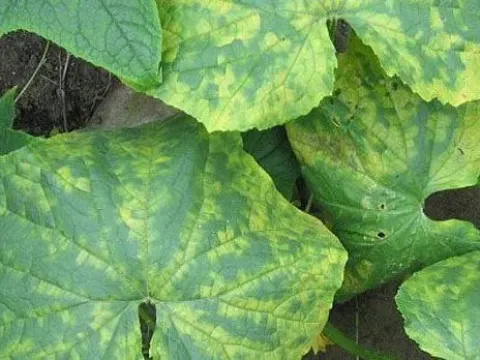
The hallmark of CMV infection is the mosaic pattern on leaves, characterized by irregular light and dark green patches. In many cases, leaves become distorted, curled, or even shoe-string-like in appearance.
Plants often exhibit general stunting, with shortened internodes and a reduced number of lateral branches. The overall architecture of the plant is compromised, giving it a shrubby or dwarfed appearance.
Fruit symptoms include mottling, yellow streaks, and bumpy, warty surfaces. For instance, infected cucumber fruits often show yellow-green variegation, which significantly diminishes their market appeal.
In some instances, the virus may cause latent infection where the plant shows no obvious symptoms, yet it still acts as a carrier and reservoir for the virus, posing a hidden threat to surrounding crops.
- Mosaic leaf mottling (light and dark green areas);
- Leaf distortion and curling;
- Stunting and shortened internodes;
- Deformed, warty, or mottled fruit;
- Reduced yields and poor fruit quality.
There is no chemical cure for viral infections in plants. Therefore, management focuses on preventing the entry and spread of the virus through sanitation and vector control measures.
Effective aphid control is essential, as these insects are the primary vectors. Using systemic insecticides early in the season can help suppress aphid populations and limit the primary spread of the virus.
Sanitation plays a critical role. Growers should eliminate weeds surrounding the growing area to remove overwintering hosts. Prompt removal and destruction of symptomatic plants is necessary to minimize the local source of inoculum.
To prevent mechanical transmission, tools and hands should be disinfected between tasks. In greenhouse settings, using insect-proof screens can be a highly effective barrier against aphid entry.
The use of resistant or tolerant cultivars, where available, provides the most robust line of defense. Selecting high-quality, virus-free seeds is also a fundamental practice for preventing early-season outbreaks in vegetable production.