
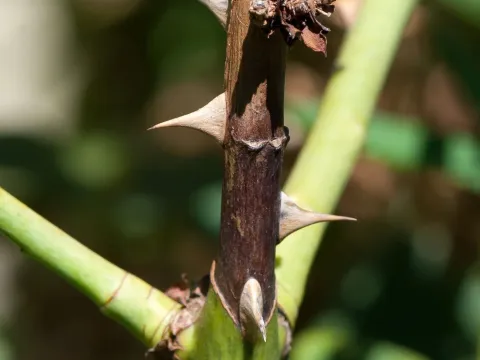
Cryptosporella umbrina
Cryptosporella umbrina
The pathogen Cryptosporella umbrina is an ascomycete fungus that serves as the primary etiological agent of infectious stem canker in roses. Systematically, this pathogen belongs to the kingdom Fungi and the phylum Ascomycota.
What the section contains
Cryptosporella umbrina
The fungus overwinters primarily within the infected tissues of shoots, remaining in a dormant state as mycelium or stroma. In early spring, the pathogen develops fruiting bodies that facilitate the dissemination of spores.
Microscopically, the fungus spores are highly mobile in the presence of liquid water, which allows them to penetrate the host tissues easily through micro-wounds. High humidity is a critical factor for the activation of the pathogen.
The fungus is capable of surviving for long periods in soil and plant debris, making it highly resistant to adverse environmental conditions. This persistence creates significant challenges for sanitation efforts.
The life cycle of the fungus is closely linked to the weakening of the host plant's immune system, often caused by improper agricultural practices or lack of adequate winter protection.
The primary hosts for this pathogen are various rose varieties, including climbing and hybrid tea groups. Occasionally, the fungus may display activity on other members of the Rosaceae family.
The most severe damage occurs during the early spring period as the plant exits dormancy. The fungus invades through micro-cracks in the bark, which typically appear due to temperature fluctuations during winter.
The harm manifests as systemic damage to the stems, disrupting sap flow and nutrient transport to the upper parts of the bush. Without proper control, the disease quickly leads to the death of affected branches.
Untreated infections cause the plant to lose its aesthetic appeal and overall vigor, making the rose bush more susceptible to secondary pests and other opportunistic pathogens.
In cases of severe infection, the disease can result in the complete death of the rose bush within one or two seasons if emergency sanitation measures are not implemented promptly.
The first noticeable symptom of the disease is the appearance of brown spots on the stems, which gradually enlarge to encircle the shoot. Over time, small black dots — the pycnidia of the fungus — appear in the centers of these spots.
The tissues in the infected areas eventually die, and the bark becomes dry, cracks, and peels away, exposing the underlying woody layers. In severe cases, the shoots turn black and dry out completely.
- Development of dark, sunken lesions on older shoots.
- Reddening of the lesion margins under high-humidity conditions.
- Wrinkling and cracking of the bark in the affected areas.
- Wilting of leaves located above the lesion on the stem.
- Formation of fungal fruiting bodies (black bumps) on the dead bark.
The main control measure involves the timely pruning of all infected shoots down to healthy tissue. Pruning tools must be disinfected with alcohol or a copper sulfate solution after each cut.
It is essential to avoid excessive nitrogen fertilization in late summer, as this prevents proper shoot maturation and makes them more vulnerable to the pathogen during the winter months.
Preventive fungicide treatments containing copper should be applied in early spring before bud break and in the autumn after pruning to reduce the overall disease pressure.
Ensuring proper air circulation within the rose garden and preventing soil waterlogging are vital agrotechnical practices for the effective control of this disease.
Upon detection of initial disease symptoms on individual bushes, systemic fungicides capable of inhibiting mycelial development within plant tissues should be applied.