
Cowpea mottle virus
Cowpea mottle
Cowpea mottle virus (CMeV) is a plant virus belonging to the family Secoviridae and the genus Sobemovirus. It is a small, non-enveloped virus with a positive-sense single-stranded RNA genome.
What the section contains
Cowpea mottle virus
The virus primarily affects leguminous crops and is prevalent in tropical regions, where it causes systemic infections that severely impede plant growth.
The pathogen is transmitted by leaf-feeding beetles, particularly those from the Chrysomelidae family, which serve as the primary vectors in the field.
Mechanical transmission is also common, occurring through contact between infected and healthy tissues during cultivation or handling.
Seed transmission plays a secondary but significant role, facilitating the spread of the virus over long distances and into new planting areas.
The primary host for the virus is cowpea (Vigna unguiculata), though it can also infect other legumes such as common beans and certain soybean varieties.
The disease causes significant yield losses, often resulting in reduced pod size, lower grain weight, and poor seed quality, which impacts market value.
Systemic infection leads to stunted growth, reducing the plant's ability to compete with weeds and withstand environmental stresses like drought.
The cumulative damage includes not only decreased biomass but also a significant reduction in nitrogen fixation efficiency, affecting long-term soil productivity.
Heavy infestations can lead to crop failure, forcing farmers to abandon fields and causing substantial economic losses in local agriculture.
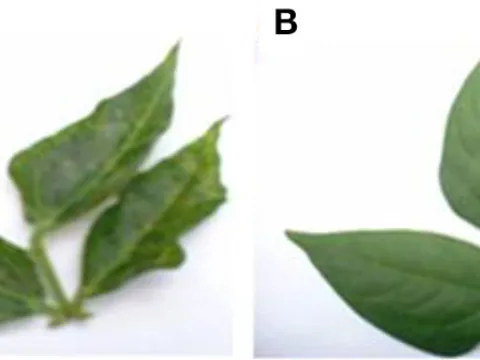
The most visible symptom is a distinct mottled mosaic pattern on the leaves, featuring alternating shades of green, yellow, and occasionally necrotic spots.
Leaves often become distorted, crinkled, or exhibit irregular shapes compared to the symmetrical foliage of healthy plants.
Stunting of the entire plant is typical for early-stage infections, leading to a diminished canopy and lack of vigor.
Flowering is frequently reduced, and premature flower drop often results in malformed or empty pods containing shriveled seeds.
Chlorosis, or general yellowing of the leaf tissue, is common and reflects the systemic disruption of the plant's photosynthetic system.
The most effective strategy for managing CMeV is the development and planting of resistant or tolerant crop varieties specifically bred for the region.
Integrated pest management (IPM) focusing on the control of beetle vectors is essential to prevent rapid spread during the growing season.
Effective weed management is critical, as many common weeds serve as viral reservoirs throughout the year, especially during fallow periods.
Strict sanitation practices, including the removal and destruction of infected plant debris, help reduce the local inoculum pressure.
Utilizing clean, virus-free seeds and practicing crop rotation with non-host plants are standard agricultural practices to mitigate the risk of disease outbreak.