
Crazy top of maize
Sclerospora maydis
Sclerospora maydis is an oomycete pathogen belonging to the Chromista kingdom. It is a systemic plant pathogen known for causing the disease commonly referred to as "crazy top" in maize crops.
What the section contains
Crazy top of maize
The pathogen survives in soil as thick-walled oospores, which are highly resilient structures capable of persisting in the environment for several years without a host.
Primary infection occurs when oospores germinate in moist soil, releasing zoospores that infect the roots of developing seedlings. The infection then becomes systemic.
The mycelium colonizes the vascular system and spreads throughout the plant tissues, leading to morphological changes and disruptions in the host's normal development.
Identification is based on the characteristic abnormal growth patterns, as the pathogen's systemic nature prevents localized curative treatment once infection is established.
The disease primarily affects maize. In susceptible hybrids, the systemic infection leads to severe growth retardation and plant stunting, rendering the crops unproductive.
One of the most damaging aspects is the proliferation of leaf-like structures instead of normal tassels, which completely inhibits pollination and fertilization.
Infected plants frequently fail to produce ears, or if ears are formed, they are usually vestigial, deformed, and filled with non-viable, underdeveloped grains.
The physiological stress caused by the systemic pathogen reduces the plant's ability to undergo photosynthesis, directly impacting the final yield of both grain and biomass.
Economic losses can be substantial, especially when heavy rain events occur shortly after planting, promoting rapid primary infection across the field.
The development of the disease is highly dependent on environmental moisture. High soil moisture levels are required for the germination of oospores and the mobility of zoospores.
The most critical window for infection is the early seedling stage. Soil temperatures between 20°C and 25°C favor the progression of the pathogen during the early crop growth stages.
Secondary spread via conidia occurs during the growing season if warm, humid conditions persist. These conidia are easily dispersed by wind and splashing rain.
Dry weather conditions inhibit the spread and development of the disease. Therefore, outbreaks are more common in low-lying, poorly drained areas of the field.
Monitoring for signs of the disease is essential during the vegetative development phase to assess the severity and potential impact on harvest.
The "crazy top" name arises from the dramatic transformation of the tassel into a mass of leafy, distorted, and proliferated tissues instead of a functional flower.
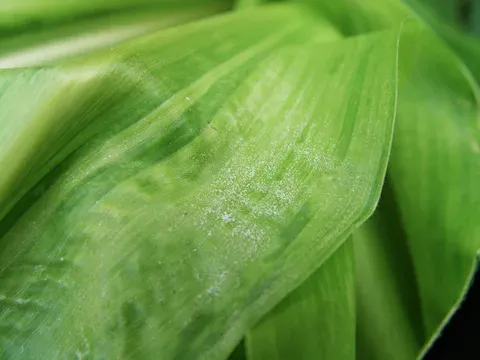
Leaves on infected plants may show chlorotic striping or a general pale discoloration, which often precedes the more severe morphological symptoms.
Systemic stunting is a common sign, with severely infected plants being significantly shorter than healthy ones, often displaying thickened, bushy growth.
Under high humidity, a white, downy fungal-like growth (the conidial stage) may be visible on the surface of leaves, indicating active spore production.
- Leafy proliferation of the tassel.
- Systemic chlorosis and stunting.
- Deformed and unproductive ears.
- White, downy growth on leaf surfaces.
Genetic resistance is the primary and most effective control measure. Selecting maize hybrids resistant to systemic oomycete pathogens is essential in endemic areas.
Improving soil drainage is a crucial cultural practice. Reducing standing water in the field significantly decreases the likelihood of oospore germination and infection.
Crop rotation to non-host species for a period of at least two to three years helps reduce the inoculum pressure in the soil over time.
Seed treatment with systemic fungicides can provide early-season protection to seedlings, minimizing the risk of primary soil-borne infections.
Sanitation practices, such as removing and destroying infected plant debris, can help lower the amount of inoculum present for the following seasons.