
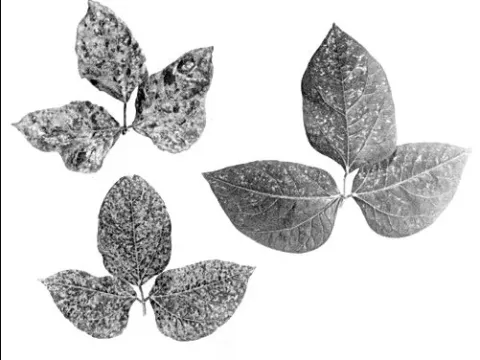
Cowpea severe mosaic virus
Cowpea severe
Cowpea severe mosaic virus (CPSMV) is a serious phytopathogen belonging to the Comovirus genus within the Secoviridae family. As a non-enveloped RNA virus, it specifically targets leguminous plants, causing significant systemic infections that disrupt normal plant development and metabolism.
What the section contains
Cowpea severe mosaic virus
The primary transmission mechanism for CPSMV is through beetle vectors, especially those in the Chrysomelidae family. The virus is acquired by the insect while feeding on infected tissues and is transmitted to healthy plants during subsequent feeding events, making insect control critical.
The host range of this virus primarily includes cowpea (Vigna unguiculata), soybeans, and various common bean varieties. Infection typically results in stunted plant growth, reduced photosynthetic efficiency, and significant losses in seed yield and overall crop quality.
Economic damage is most severe when infection occurs at the seedling stage, leading to poor stand establishment. In more mature plants, the virus disrupts pod development, leading to fewer and smaller seeds, which significantly reduces the marketability and agronomic viability of the harvest.
Symptoms of CPSMV are highly characteristic and typically manifest as severe leaf mosaic, including light and dark green patterns or yellowish spotting. Leaf blades often become distorted, crinkled, and reduced in overall surface area, hindering the plant's growth potential.
In systemic infections, plants may exhibit severe dwarfing and shortened internodes. The foliage often appears mottled or chlorotic, and the overall vigor of the plant is substantially weakened, making it more susceptible to environmental stresses and secondary infections.
Management of Cowpea severe mosaic virus relies primarily on cultural practices and the management of its insect vectors. Since there is no curative treatment for viral infections, controlling beetle populations using systemic or contact insecticides is the most effective way to reduce the spread.
Growers should prioritize the use of certified, virus-free seeds and implement robust weed control programs to remove alternate hosts. Practicing crop rotation and avoiding the planting of susceptible legumes near infected fields can also limit the transmission of the virus to new crops.