
Cowpea mosaic
Cowpea mosaic
Description
How to identify
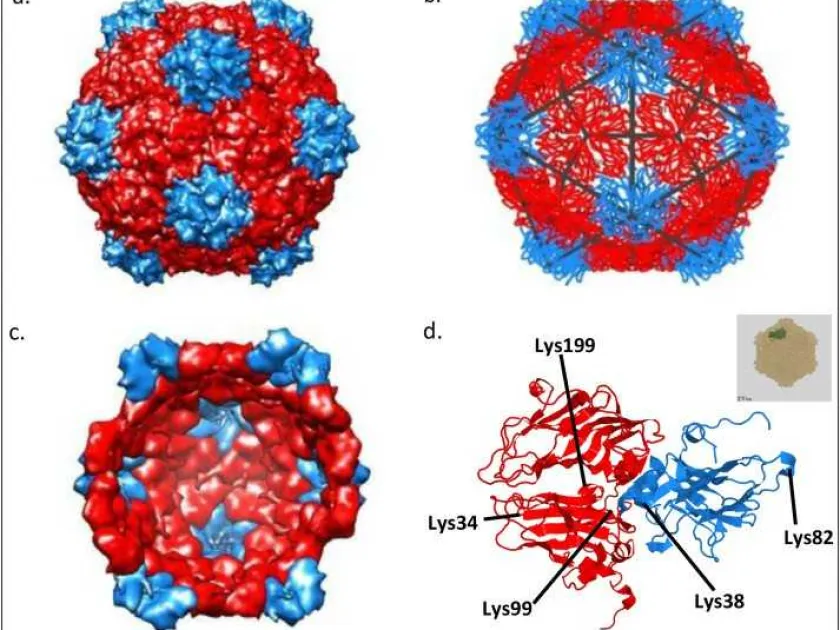
Cowpea mosaic virus (CPMV) is a plant virus belonging to the genus Comovirus within the family Secoviridae. Its particles are characterized by an icosahedral structure and a bipartite single-stranded RNA genome.
Transmission in field conditions is primarily mediated by insect vectors, specifically leaf beetles (Chrysomelidae), such as the bean leaf beetle Cerotoma trifurcata, during their feeding process.
The virus is notably stable in the environment and can be seed-borne in various legumes, allowing it to persist and initiate outbreaks in subsequent growing seasons.
Biological cycle dynamics are heavily dependent on the activity of beetle populations, which makes vector management the cornerstone of disease epidemiology.
As a systemic pathogen, CPMV poses a continuous threat to bean production, requiring strict adherence to phytosanitary protocols to prevent widespread losses.
What it damages
The primary hosts include various members of the Fabaceae family, most notably cowpea (Vigna unguiculata), beans (Phaseolus vulgaris), and soybeans, which suffer from reduced physiological function.
Systemic infection disrupts essential processes like photosynthesis and nutrient transport, leading to stunted growth, reduced biomass, and severe yield suppression.
Infected plants often produce malformed pods and seeds, significantly lowering both the quantity and the commercial quality of the harvested grain.
Early-season infections can cause substantial crop failures, particularly in susceptible varieties, leading to significant economic losses for farmers.
Total losses are attributed to reduced seed set, poor plant vigor, and the necessity for intensive pest control measures to mitigate virus spread within the field.
Signs of infestation
Initial symptoms commonly appear as chlorotic mottling or a mosaic pattern on the leaflets, frequently accompanied by vein clearing and lighter green discoloration.
As the disease progresses, leaves may become distorted, crinkled, or show blistering, significantly altering the canopy structure of the affected plants.
Stunting is a very prominent symptom, with infected plants often exhibiting much shorter internodes compared to healthy counterparts in the same field.
Pod symptoms can include irregular blotches or necrosis, which further reduce the marketability and seed vitality of the legume crops.
- Mottled leaf appearance (intermingled light and dark green areas).
- Leaf curling, crinkling, or severe distortion.
- Reduction in overall plant height and vigor.
- Reduced flower set and yield per plant.
Control measures
The use of certified, virus-free seeds is the most effective strategy for preventing the introduction of the pathogen into new planting areas.
Regular scouting for beetle vectors and the timely application of approved insecticides are essential to minimize the secondary spread of the virus within the crop.
Implementing crop rotation and maintaining spatial distance from perennial legumes helps to reduce the survival of the virus and its insect vectors during off-seasons.
Effective weed management along field borders is crucial to remove alternative host plants that provide shelter for insect vectors and viral reservoirs.
Rogueing and destroying symptomatic plants as soon as they are identified can help to contain small outbreaks and protect the remainder of the field from systemic infection.
Discussion
No discussions yet — be the first.