
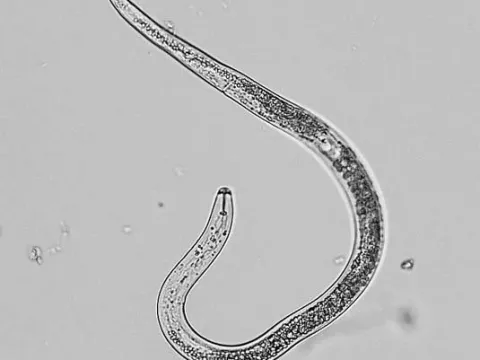
Corn cyst nematode
Corn cyst
The Corn cyst nematode, scientifically identified as Heterodera zeae, is a specialized plant-parasitic roundworm belonging to the family Heteroderidae. It is considered a significant pathogen in maize production regions globally.
What the section contains
Corn cyst nematode
The life cycle involves the formation of a cyst, which is the hardened, protective body of a dead female. This cyst contains hundreds of eggs and can protect them from harsh environmental conditions and chemicals for several years.
Infective second-stage juveniles (J2) hatch from eggs and move through the soil toward the roots of a host plant. Once they penetrate the roots, they establish a feeding site, causing metabolic changes that support their subsequent development.
Females become sedentary and swell into a lemon-shaped form, with part of their body protruding from the root surface. Males remain vermiform and mobile, traveling through the soil to locate and fertilize the sedentary females.
Dissemination is primarily mechanical, occurring when infested soil is transported via machinery, farm equipment, tools, or even runoff water. Because cysts are microscopic and resilient, they can be spread across fields unnoticed.
Maize is the primary host for Heterodera zeae. The feeding activity of the nematode severely restricts the root system's ability to uptake water and essential nutrients from the soil.
This impairment of the root system often leads to stunted growth, reduced leaf area, and poor overall plant vigor. Infected maize plants frequently show signs of nutrient deficiency, regardless of how much fertilizer is applied.
In the field, damage typically manifests in patches where plants are significantly smaller than the surrounding crop. These patches may expand over successive growing seasons if management practices are not implemented.
In addition to direct physiological stress, the root wounds created by the nematodes provide entry points for soil-borne fungi and bacteria, leading to complex disease interactions that further lower plant health.
The economic impact of the Corn cyst nematode is manifested as reduced yield. Severe infestations can result in significant loss of grain weight and quality, often making maize production economically unviable on heavily infested fields.
The first visual symptoms in a field are patches of stunted, chlorotic plants. These areas often appear irregularly shaped and may become more pronounced during periods of water stress or drought.
Root examination is critical for identification. If you carefully wash the soil from the roots of suspected plants, you may see tiny, white, yellow, or brown cyst-like structures attached to the root surface.
Reduced root mass is another diagnostic sign. Infected plants often show fewer secondary roots and less root branching, which makes the plant more susceptible to lodging during high winds or heavy storms.
Delayed maturity and poor ear development are common signs of a heavily infested crop. The entire phenological development of the corn plant may be shifted or disrupted by the parasitic stress.
Confirmatory diagnosis usually requires professional laboratory analysis. Soil and root samples should be tested to quantify the population density of cysts and determine if the damage is indeed caused by Heterodera zeae.
Crop rotation is the cornerstone of managing the Corn cyst nematode. Rotating maize with non-host crops like legumes or certain broadleaf plants significantly reduces the nematode population over a period of years.
Resistant hybrids are the most effective genetic tool available. Developing and planting maize varieties that prevent the successful development or reproduction of the nematode can maintain high yields in infested areas.
Strict sanitation measures are essential. Cleaning tires and tools to remove soil before moving from an infested field to a clean one is vital to prevent the spread of the pathogen to new areas.
Managing grassy weeds is crucial, as they can serve as alternative hosts for the nematode, maintaining its population levels even when maize is not grown in the field.
Integrated Pest Management (IPM) strategies, including the use of soil amendments or biological control agents like nematophagous fungi, are being researched to provide sustainable alternatives to chemical nematicides.