
Colletotrichum gloeosporioides
Colletotrichum gloeosporiodes
Description
How to identify
Colletotrichum gloeosporioides is a prominent fungal pathogen belonging to the phylum Ascomycota. It is a cosmopolitan fungus widely recognized as the primary causal agent of anthracnose in a vast array of tropical, subtropical, and temperate crops.
As the anamorphic stage of Glomerella cingulata, this pathogen exhibits significant morphological diversity. It produces acervuli, which are specialized cup-shaped structures that break through the host epidermis to release masses of conidia, ensuring effective dispersal.
The biological cycle involves the production of sticky conidia that are easily transported by water droplets, wind, and agricultural machinery. Upon landing on a susceptible host, the fungus utilizes specialized structures called appressoria to pierce the plant cuticle and colonize tissues.
This fungus possesses a high degree of genetic plasticity, allowing it to adapt to various environmental conditions and hosts. It survives in soil, debris, and seeds, maintaining a latent infection state until environmental conditions trigger active disease development.
Development is strongly favored by high relative humidity (above 85%) and warm temperatures. Under these conditions, the fungus completes its reproductive cycle rapidly, leading to the explosive spread of the disease within the crop canopy.
What it damages
The disease caused by this pathogen, commonly known as anthracnose, affects nearly all plant organs including fruits, leaves, stems, and roots. Crops such as avocado, mango, papaya, citrus, tomato, and peppers are particularly susceptible to severe damage.
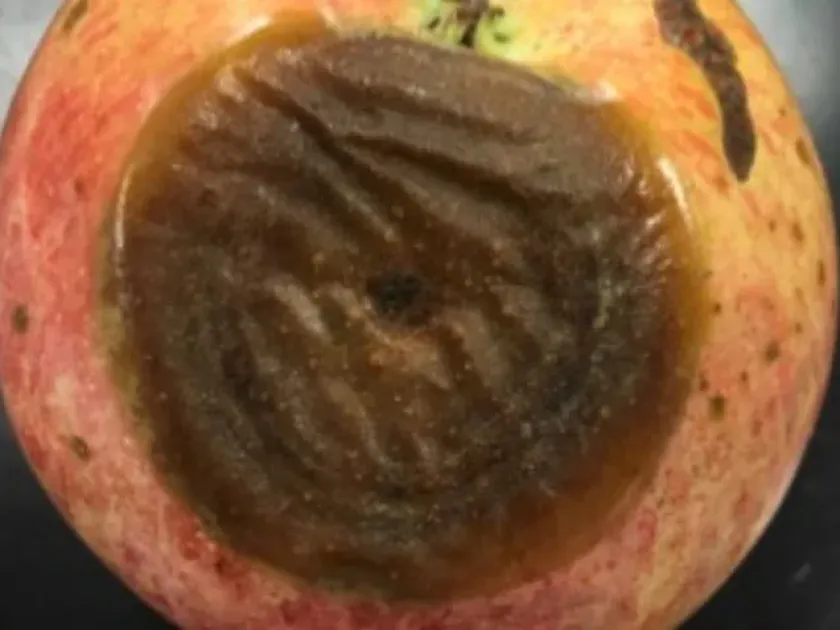
On fruits, the pathogen causes sunken, water-soaked lesions that eventually turn dark brown or black. These lesions often develop an orange or pinkish spore mass, which serves as a secondary inoculum source, leading to post-harvest losses and reduced marketability.
Stem infections lead to wilting, dieback, and the formation of necrotic lesions that can girdle the plant. This structural damage restricts the movement of water and nutrients, resulting in stunted growth and eventual plant death in severe cases.
The economic impact is significant, as the pathogen reduces both the quantity and quality of the harvest. Infected seeds often show reduced germination rates, leading to uneven crop stands and requiring costly replanting efforts.
- Significant reduction in fruit quality and yield.
- Post-harvest decay during storage and transport.
- Stunted growth due to stem and vascular tissue damage.
- High risk of transmission through seeds and seedlings.
Signs of infestation
Early symptoms appear as small, water-soaked spots on leaves or young shoots. As the infection progresses, these spots expand, often displaying concentric rings and turning necrotic (dark brown or black) with age.
Under high humidity, the characteristic pink or orange spore masses appear on the surface of the lesions. This sign is diagnostic of Colletotrichum species and indicates active sporulation and high risk of secondary spread.
Leaves may show severe chlorosis followed by premature abscission. In some host plants, the fungus causes leaf spots that can merge, creating large necrotic patches that significantly reduce photosynthetic capacity.
Fruit symptoms are often latent, meaning the infection occurs in the field but symptoms only manifest during ripening or storage. Infected fruit tissues become soft, discolored, and ultimately rot, releasing a pungent odor.
Root and crown infections can lead to seedling damping-off or root rot, characterized by blackened roots and weak, pale foliage. These symptoms are often mistaken for environmental stress until the characteristic signs of sporulation appear.
Control measures
Managing Colletotrichum gloeosporioides requires an integrated pest management (IPM) approach. The use of pathogen-free seeds and planting material is the most critical step to prevent the introduction of the fungus into clean fields.
Sanitation practices are essential for reducing inoculum pressure. Removing and destroying infected plant debris, as well as pruning affected branches, helps break the disease cycle and minimizes the survival of the pathogen between seasons.
Chemical control involving prophylactic applications of fungicides—such as strobilurins, triazoles, or copper-based compounds—is highly effective. Timing these applications before predicted periods of wet weather is crucial for maximum efficacy.
Biological control agents, including beneficial microbes like Bacillus subtilis or Trichoderma species, can be used to outcompete the pathogen and suppress its growth in the rhizosphere or on leaf surfaces.
Optimizing the microclimate is also vital. In greenhouse settings, maintaining proper spacing, improving ventilation to lower humidity, and implementing drip irrigation can effectively inhibit the germination and spread of fungal spores.
Causes diseases · 1
Discussion
No discussions yet — be the first.