
Xanthomonas fragariae
Xanthomonas fragariae
Description
How to identify
Xanthomonas fragariae is a Gram-negative, aerobic, rod-shaped bacterium that acts as a specialized phytopathogen infecting strawberry plants.
The bacterium belongs to the family Xanthomonadaceae and is classified as the causal agent of angular leaf spot disease in strawberries.
It possesses a single polar flagellum, enabling motility in water films, which is essential for its dispersal across plant surfaces.
The pathogen is highly host-specific, primarily affecting the genus Fragaria, and is considered a significant quarantine pest in many countries.
Diagnostic identification typically involves bacterial isolation on selective media or molecular techniques such as PCR to ensure accuracy.
What it damages
The primary hosts of this pathogen are cultivated strawberries (Fragaria × ananassa) and various wild strawberry species.
Infection leads to reduced photosynthetic capacity, weakening the plants and making them more susceptible to other biotic and abiotic stressors.
Severe infestations can lead to significant yield losses due to leaf drop, reduced berry size, and direct damage to the berry calyxes.
The presence of the pathogen often results in nursery stock rejection, causing substantial economic losses for commercial growers.
Furthermore, the systemic nature of the infection can lead to the overall decline of plant vigor and long-term reduction in plantation productivity.
When it appears
The disease development is heavily dependent on weather conditions, particularly high humidity and moderate temperatures between +15°C and +25°C.
Epidemics typically initiate in the spring when frequent rainfall and dews provide the necessary moisture for bacterial multiplication and movement.
During dry, hot summer weather, the disease progression may stall, though the pathogen survives in a latent state within the plant tissues.
The cycle resumes during cool, damp autumn conditions, allowing the bacteria to colonize new crown and leaf tissues in preparation for winter.
Wind-blown rain and overhead irrigation systems are the primary drivers for the rapid spread of the bacteria within and between fields.
Signs of infestation
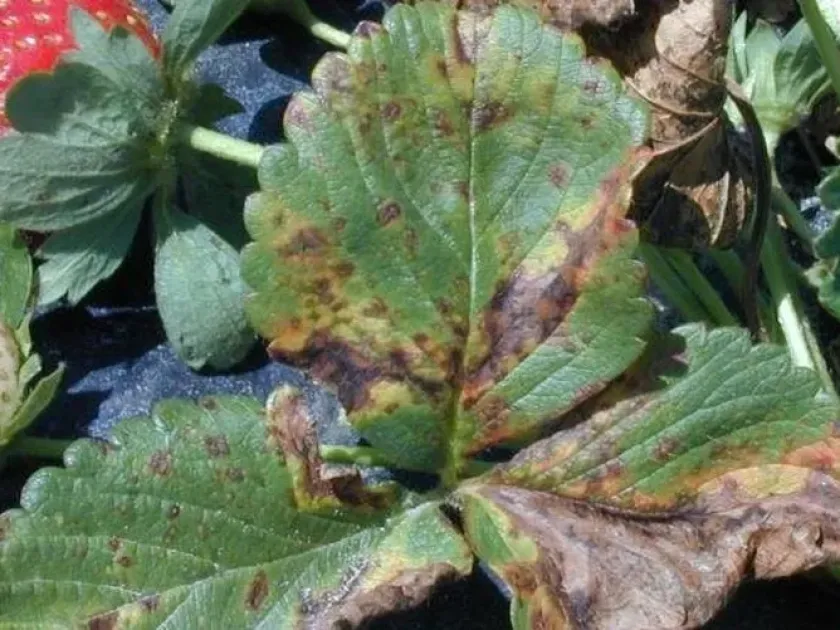
The characteristic symptoms begin as small, water-soaked, translucent spots on the lower leaf surface, often invisible from above initially.
- As the infection progresses, the spots expand and become angular, delimited by the leaf veins.
- Under conditions of high humidity, a bacterial exudate appears on the underside of the spots, which dries into a shiny scale.
- Older spots turn reddish-brown or bronze-colored, and the leaf tissue around them may necrotize.
- Calix tissues may also show necrotic lesions, significantly reducing the market quality of the harvested fruits.
- In severe cases, systemic infection can lead to leaf wilt and stunted growth of the entire plant.
Control measures
The most effective management strategy is the use of pathogen-free planting material sourced from certified nurseries and specialized propagation programs.
Field management should focus on reducing humidity levels around the foliage, including proper spacing and avoiding overhead irrigation methods.
Sanitation practices such as the immediate removal and destruction of infected plant debris are critical for lowering the inoculum pressure.
Copper-based bactericides may provide some level of prophylactic control if applied before the onset of favorable disease weather conditions.
Strict hygiene protocols, including the disinfection of tools and equipment between field blocks, are essential to prevent the mechanical spread of the bacteria.
Causes diseases · 4
Discussion
No discussions yet — be the first.