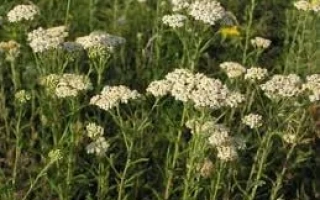
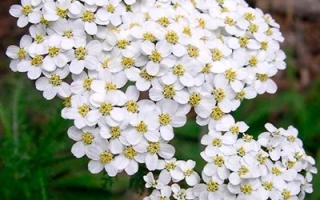
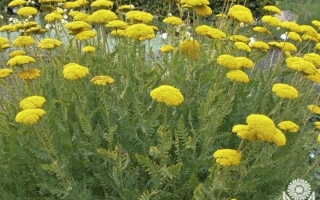
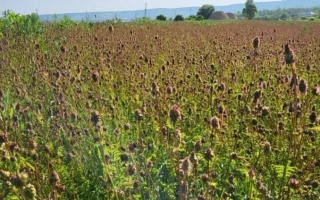
VIM is an agricultural plant product belonging to medicinal herbs and widely used in agronomy as a means of pest control and soil improvement. The crop is cultivated from Helichrysum italicum (Roth.) Guss., known for its active substances – flavonoids, essential oil, and other biologically active compounds.
The main properties of VIM include antibacterial, anti-inflammatory, and antispasmodic effects. Flavonoids (naringenin, apigenin, kaempferol), as well as essential oil, promote increased bile secretion, reduce bile viscosity, and improve liver and pancreas function. Due to these properties, the product is used for diseases of the liver system, gastrointestinal tract, and kidneys.
In agronomic practice, VIM is used as a biological insecticide and fungicide, as well as a soil improver due to its essential oil and other active substances. The crop is characterized by drought resistance and good adaptation to various soil types – from brown to mountain-forest and limestone soils. This makes it attractive for cultivation in various climatic zones where a stable and effective plant product is required.
VIM is also valued for its potential in the cosmetic industry: the extract and oil promote skin regeneration, improve microcirculation of blood, and increase collagen content. Due to these properties, they are used in skin care products, reducing allergic manifestations and accelerating wound healing.