


SKU #73812
·
66 views
Immortelle Sunflower
Immortelle
Prices in stores
No offers yet — stores have not added prices for this product yet.
Medicinal Plants
Cmin
Type of Inflorescences
Small basket
Flower Color
Yellow
Usage
Medicine, Decor
Your mark
0 votes
0% positive ratings
About product
An adaptive Siberian variety with a high concentration of medicinal compounds and vibrant decorative blooms.
Description
Siberian Breeding for Pharmacy and Gardens
The 'Solnechny' (Sunny) Helichrysum is the result of long-term breeding efforts by the Central Siberian Botanical Garden of the Siberian Branch of the Russian Academy of Sciences. Developed under harsh Siberian climate conditions, this variety demonstrates exceptional adaptability and resilience, making it highly sought after in both professional crop production and amateur gardening.
Pharmacological Profile and Aesthetics
The primary value of this variety lies in its biochemical profile, typical of medicinal Helichrysum species. The plant is prized for its pronounced choleretic and antispasmodic properties, which define its use in both traditional and evidence-based medicine.
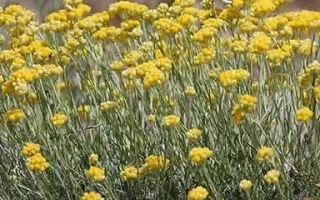
- Inflorescences: small flower heads of a rich yellow color with a characteristic orange hue.
- Application: medicinal raw material and decorative landscape enhancement.
The reputation of the variety is built on the authority of its originator. The CSBG SB RAS traditionally focuses on the introduction and stabilization of species capable of retaining their medicinal properties when grown in various soil and climatic zones. 'Solnechny' was created to meet market demand for high-quality domestic seeds for cultivating medicinal herbs.
Why Choose 'Solnechny'?
Unlike wild forms, the 'Solnechny' cultivar offers standardized characteristics, which is critical when harvesting medicinal raw materials. At the same time, its high ornamental value makes it ideal for dried flower bouquets and floral arrangements, where the inflorescences maintain their vibrant color long after drying.
Specifications
| Medicinal Plants | |
|---|---|
| Type of Inflorescences | |
| Flower Color | |
| Usage | |
| Registration year | 1994 |
| Catalog | Catalog → Immortelle |
| Legal data |
Show · 2
|
| Country | Russia |
No reviews yet. Be the first to share your experience.
Alternatives
Immortelle · similar varieties
See also
Often considered together with this variety


Recently viewed
Products you’ve viewed on this site
Reviews