


SKU #59930
·
28 views
Wheat KRASNOKUTKA 15
Wheat
Federal Agrarian Scientific Center of the South-EastPrices in stores
No offers yet — stores have not added prices for this product yet.
Similar varieties with prices
-
SPAKERFANCA
from 6.59 €per 1 kg
- Aquilegia from 13.51 €per 1 kg
-
 PalmARI HAS (Martonvasar)
from 0.31 €
PalmARI HAS (Martonvasar)
from 0.31 €
-
 KatarinaSaaten-Union
from 0.43 €per 1 kg
KatarinaSaaten-Union
from 0.43 €per 1 kg
Type of Development
Spring wheat
Wheat Type
Durum wheat variety
Awnedness
Awned
Growing Season
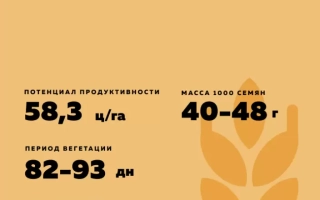
80-90 days
Your mark
0 votes
0% positive ratings
Description
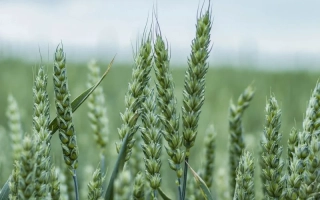
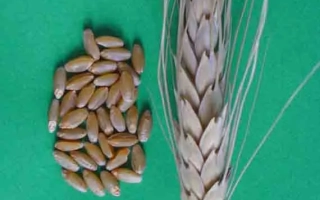
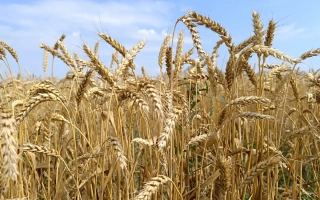
The spring durum wheat variety Krasnokutka 15 is a medium-early type developed at the Krasnokutskaya Breeding and Experimental Station of the Southern-Eastern Research Institute of Agriculture. It belongs to the Hordeum group and is characterized by an erect or semi-erect bush type. The ear is of medium density, awned, with white grain that differs in size and high vitreosity - up to 97%. The grain is light, elongated, with a shallow furrow and a 1000-grain weight within the range of 35-45 grams. The ear awns are longer than the ear itself, elastic, and have small barbs, which is a distinctive botanical feature of the variety. The vegetative period ranges from 72 to 88 days, allowing the variety to be considered medium-early. Krasnokutka 15 is distinguished by high drought resistance and resistance to lodging, making it particularly valuable for cultivation in areas of risky agriculture, such as steppe regions and the Western Steppe zone of the Orenburg region. The variety shows stable and high yield, exceeding standard varieties by 15-20%, and in variety trials, yield exceeded standards by 5.3-6.1 c/ha depending on the predecessor. Moreover, the variety is resistant to powdery bunt, which increases its reliability under unfavorable conditions. The commercial value of Krasnokutka 15 is due to high protein content (up to 15.4%) and raw gluten (up to 35.5%), as well as high microsedimentation and flour yellowness index values. These qualities make the grain of the variety in demand for the production of high-quality pasta. Due to the combination of high productivity, stress factor resistance, and excellent grain technological characteristics, Krasnokutka 15 is a competitive and promising variety for cultivation in appropriate agro-climatic zones.
Crop & resistance
Crop
Disease resistance
Specifications
No reviews yet. Be the first to share your experience.
Alternatives
Wheat seeds · similar varieties




See also
Often considered together with this variety


Recently viewed
Products you’ve viewed on this site
Reviews