

SKU #62866
·
85 views
CHARLESTON GRAY
Watermelon
User rating
0 votes0% positive reviews
No ratings yet — be the first.
Watermelon Type
Charleston Gray type
Beginning of ripening
70-80 days
Fruit; flesh color
Pink, Red
Fruit; shape
Oval-shaped, Cylindrical
Prices in stores
from6 €per 1000 seeds
pack from 0.3 € per 50 pcs
10 offers from 4 stores
Store offers · 10 from 4 stores
Prices are updated on loadLoading offers…
Available at: Agrolife · Сяйво · Добродар · Веснодар
Aggregator catalog: prices are collected automatically from store websites, normalized by AI and converted at the current exchange rate. Before ordering, confirm the price and availability on the store's website. This block is not indexed by search engines — the data is loaded after the page opens.
About product

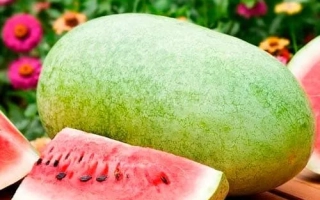
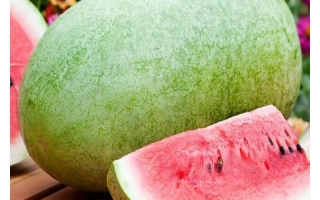
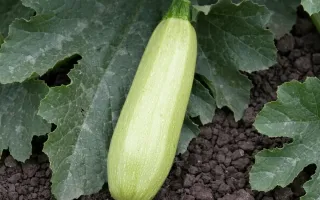
Charleston Gray watermelon is a mid-season variety with an unusual oval or elongated cylindrical fruit shape and light green rind without distinct stripes. The rind is thick and dense, reaching up to 20-25 mm in thickness, which ensures excellent transportability and protection from solar overheating. Fruits grow large, weighing from 12 to 18 kg, with a length of 40-50 cm and a diameter of 30-35 c…
Watermelon Type
Charleston Gray type
Beginning of ripening
70-80 days
Fruit; flesh color
Pink, Red
Fruit; shape
Oval-shaped, Cylindrical
Description
Charleston Gray watermelon is a mid-season variety with an unusual oval or elongated cylindrical fruit shape and light green rind without distinct stripes. The rind is thick and dense, reaching up to 20-25 mm in thickness, which ensures excellent transportability and protection from solar overheating. Fruits grow large, weighing from 12 to 18 kg, with a length of 40-50 cm and a diameter of 30-35 cm, making them convenient for fresh market sales. The watermelon flesh is bright pink or red, juicy, crunchy, and uniform, with a high sugar content (about 10-11%), which gives it a pronounced sweet taste and aroma that is preserved for 2-3 months of storage. The plant is powerful, with long stems and dense foliage, developing well even with minimal agrotechnics. It prefers well-lit, warmed-up areas with sandy soils and without strong drafts. For optimal growth and improved taste qualities, regular root irrigation and application of organic and mineral fertilizers are recommended. The variety is resistant to fusarium and anthracnose, but requires preventive treatment against aphids and spider mites. Under irrigation conditions, yield can reach 100 tons per hectare, with 1-2 large fruits forming per bush. Charleston Gray is suitable for cultivation in various climatic conditions, including southern agrozones and cooler regions. In temperate zones, seedling planting is done at the end of May in warmed soil, with about 3.5 square meters recommended per plant to avoid overcrowding. Fruits ripen about 70-75 days after seedling planting or about 50 days after fruit set. The harvest is collected a few days before full ripening to preserve market qualities and extend the storage period. Thanks to its characteristics and transportability, Charleston Gray watermelon is an excellent choice for farmers and gardeners oriented towards market sales.
Video · 9 videos
Suggest a video →Crop & resistance
Crop
Disease resistance
Specifications hover over for a hint about the specification
|
Watermelon Type
Watermelon Type
Existing watermelon types: Crimson Sweet type — watermelon with striped rind, the most popular type Sugar Baby type — characterized by dark green fruit color |
|
|---|---|
|
Beginning of ripening
Beginning of ripening
From germination to flowering, it takes 60 to 140 days depending on the variety. |
70-80 days |
|
Fruit; flesh color
Fruit; flesh color
Color of the fruit flesh. There are red, pink, yellow, and brown colors. |
|
|
Fruit; shape
Fruit; shape
Spherical, oval, flattened or cylindrical shape. |
|
|
Fruit; weight
Fruit; weight
Table watermelons weigh 0.6-16 kg. |
9.0-12.0 kg |
| Registration year | 2013 |
| Catalog | Catalog → Watermelon |
| Legal data | |
| Country | Russia |
Not yet комментариев. Be the first!
Alternatives
Watermelon seeds · similar varieties






See also
Often considered together with this variety



Recently viewed
Products you’ve viewed on this site
Reviews · 0