


SKU #62916
·
58 views
Ataman
Watermelon
User rating
0 votes0% positive reviews
No ratings yet — be the first.
Seed Type
Fine Seed
Beginning of ripening
60-70 days
Fruit; flesh color
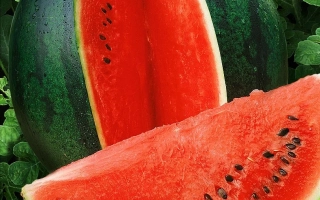
Red
Fruit; shape
Oval-shaped
Prices in stores
from49.48 €per 1000 seeds
pack from 49.48 € per 1 000 pcs
3 offers from 3 stores
Store offers · 3 from 3 stores
Prices are updated on loadLoading offers…
Available at: Organic Mix · Shoproslo · Веснодар
Aggregator catalog: prices are collected automatically from store websites, normalized by AI and converted at the current exchange rate. Before ordering, confirm the price and availability on the store's website. This block is not indexed by search engines — the data is loaded after the page opens.
About product

The Ataman watermelon variety is an early-maturing, high-yielding variety with round-elliptical fruits characterized by light green, smooth rinds. Fruit weight varies depending on the growing region: in the central belt, it ranges from approximately 2.9-4 kg, while in southern regions it can reach 5-8 kg. The watermelon has a thin rind, medium-sized and few seeds, making the fruit particularly app…
Seed Type
Fine Seed
Beginning of ripening
60-70 days
Fruit; flesh color
Red
Fruit; shape
Oval-shaped
Description
The Ataman watermelon variety is an early-maturing, high-yielding variety with round-elliptical fruits characterized by light green, smooth rinds. Fruit weight varies depending on the growing region: in the central belt, it ranges from approximately 2.9-4 kg, while in southern regions it can reach 5-8 kg. The watermelon has a thin rind, medium-sized and few seeds, making the fruit particularly appealing to consumers. The flesh is intensely red, granular, tender, juicy, and very sweet, with a dry matter content of 9-10% and sugar content of 7-8%, ensuring excellent taste qualities. Plants of the Ataman variety are of medium power and vining, with a long main vine. The maturation period from full germination to the first harvest is 65-80 days, allowing for an early harvest with a uniform yield of up to 80%. The variety is characterized by drought resistance and low susceptibility to diseases such as fusarium and anthracnose, enhancing its reliability during cultivation. Plants can be grown both in film greenhouses and in open ground. For optimal growth, sowing for seedlings is recommended at the end of April, followed by transplanting into the ground at the end of May – beginning of June, while plants are tied to trellises and side shoots are removed to form a quality harvest. The Ataman watermelon boasts high commercial yield, reaching 3.0-3.5 kg/m² and a yield of 30-35 tons per hectare. The fruits are characterized by high transportability and storability, facilitating their realization and storage. Thanks to their taste qualities and juicy flesh, this variety is widely used in cooking for preparing various dishes and drinks, such as salads, fresh juices, cold fruit soups, jelly, smoothies, and puddings. The honey-sweet, aromatic, and juicy Ataman watermelon is excellent for cultivation in various climatic conditions, including the central belt and southern regions.
Crop & resistance
Crop
Disease resistance
Specifications hover over for a hint about the specification
|
Seed Type
Seed Type
Seedless Type Triploid watermelon hybrids in which seeds are represented as underdeveloped rudiments. Almost absent. Seed Type Seeds are present, mass from 20 to 80 grams per 1000 seeds |
|
|---|---|
|
Beginning of ripening
Beginning of ripening
From germination to flowering, it takes 60 to 140 days depending on the variety. |
60-70 days |
|
Fruit; flesh color
Fruit; flesh color
Color of the fruit flesh. There are red, pink, yellow, and brown colors. |
|
|
Fruit; shape
Fruit; shape
Spherical, oval, flattened or cylindrical shape. |
|
|
Fruit; weight
Fruit; weight
Table watermelons weigh 0.6-16 kg. |
3.0-5.0 kg, 5.0-8.0 kg |
| Registration year | 1998 |
| Catalog | Catalog → Watermelon |
| Legal data |
Show · 5
|
| Country | Russia |
Not yet комментариев. Be the first!
Alternatives
Watermelon seeds · similar varieties



See also
Often considered together with this variety





Recently viewed
Products you’ve viewed on this site
Reviews · 0