


SKU #48132
·
86 views
Common walnut Slava Ukraini
Walnut
User rating
0 votes0% positive reviews
No ratings yet — be the first.
Tree; Growth Power
Medium-height
Fruit; Nut shape
Egg-shaped
Nut; Nut mass
11.0-12.0 grams, 12.0-13.0 grams, 13.0-14.0 grams
Fetal Size
10-15
Store offers · 1 from 1 stores
Prices are updated on loadLoading offers…
Available at: Agro-market
Aggregator catalog: prices are collected automatically from store websites, normalized by AI and converted at the current exchange rate. Before ordering, confirm the price and availability on the store's website. This block is not indexed by search engines — the data is loaded after the page opens.
About product

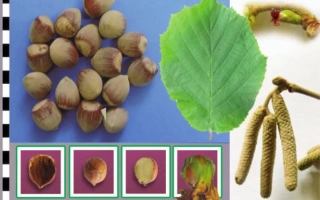
The 'Slava Ukraini' hazelnut variety is a mid-late maturing type with high and stable yield. The tree is medium-sized, reaching 4-5 meters in height, and has a protandrous flowering type, where male flowers bloom first, followed by female flowers. Fruit set occurs laterally, allowing each fruit bud on a one-year-old shoot to form two to four nuts, sometimes clusters of six to twenty-four nuts. The…
Tree; Growth Power
Medium-height
Fruit; Nut shape
Egg-shaped
Nut; Nut mass
11.0-12.0 grams, 12.0-13.0 grams, 13.0-14.0 grams
Fetal Size
10-15
Description
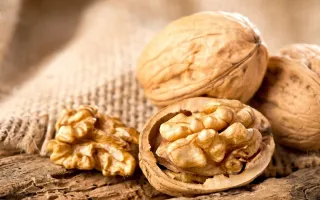
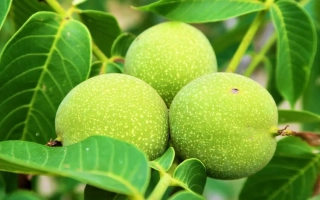
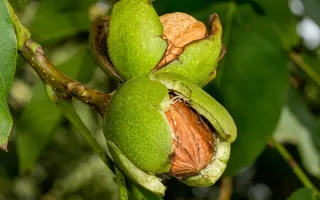
The 'Slava Ukraini' hazelnut variety is a mid-late maturing type with high and stable yield. The tree is medium-sized, reaching 4-5 meters in height, and has a protandrous flowering type, where male flowers bloom first, followed by female flowers. Fruit set occurs laterally, allowing each fruit bud on a one-year-old shoot to form two to four nuts, sometimes clusters of six to twenty-four nuts. The yield of a mature tree around 20 years old is approximately 57 kilograms of nuts in shell, with individual trees yielding up to 100-120 kilograms. Fruit ripens in the third decade of September. The nuts have an egg-shaped form, weighing 11-14 grams, with a kernel yield of about 55.8%. The kernel is light-colored and easily separates from the thin but strong shell. The nuts have a pleasant taste and high protein and fat content, making them nutritious and beneficial. The protein in hazelnuts is comparable in quality to that of meat and milk proteins, being more easily assimilated by the body and not causing uric acid excretion. Vitamin C content significantly increases during the milky-wax stage of ripeness. The nutritional value of 100 grams of hazelnuts is equivalent to 300 grams of bread, 700 grams of potatoes, or one liter of milk. Hazelnuts contribute to improved brain function, memory, and concentration. The 'Slava Ukraini' variety exhibits high frost resistance (up to -30°C), resistance to fungal diseases and chlorosis, and tolerance to various soils and drought. The tree is suitable for industrial cultivation and mechanical shell removal. It is recommended to plant on sunny sites with well-drained soil, following a planting scheme of 6x8 or 8x8 meters and a planting hole size of 60x60x60 cm. Fruit production begins on the 4th-5th year after planting. Additionally, shells are used to produce activated charcoal and tinctures for treating various ailments, including women's diseases, dermatitis, gastritis, and eczema.
Crop & resistance
Crop
Disease resistance
Specifications
| Tree; Growth Power | |
|---|---|
| Fruit; Nut shape | |
| Nut; Nut mass | 11.0-12.0 grams, 12.0-13.0 grams, 13.0-14.0 grams |
| Fetal Size | 10-15 |
| Kernel Exit (%) | 56-62 |
| Core Flavor | |
| Kernel Color | |
| Yield (kg/tree) | 30-50 |
| Registration year | 2016 |
| Catalog | Catalog → Walnut |
| Legal data |
Show · 1
|
| Country | Ukraine |
Not yet комментариев. Be the first!






See also
Often considered together with this variety





Recently viewed
Products you’ve viewed on this site
Reviews · 0