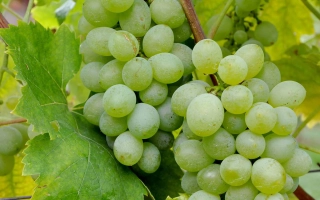
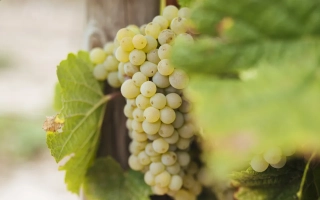
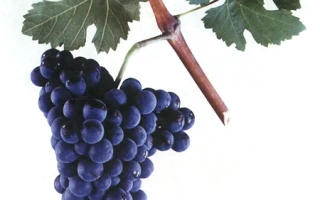
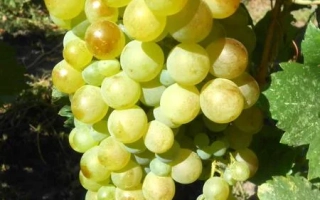
Rheinling is a technical white grape variety originating from the Rhine region of Western Germany and widely cultivated in various viticultural regions around the world, including Germany, Austria, Bulgaria, Hungary, and other countries. This variety belongs to the Western European group of grapes and is distinguished by unique morphological and biological characteristics. Young shoots are covered with light-green felted pubescence with pink teeth, while leaves are medium-sized, round, three- or five-lobed with a bronze tint. Bunches are usually small or medium-sized, cylindrical in shape, dense or loose, with berries of round shape, green-white color with a yellowish tint and dark brown dots. The berry skin is thin but tough, the flesh is juicy with a harmonious taste, and each berry contains from two to four seeds. The variety is characterized by a medium vegetative period of 148 to 160 days and berry ripening at the end of September. Yields are quite high, with about 87% of shoots bearing fruit, with an average of 2 bunches per fruiting shoot. Rheinling is well adapted to light slate soils, especially on hill slopes, which contributes to its successful cultivation in various climatic conditions. However, the variety is sensitive to certain diseases, such as powdery mildew, bacterial cancer, and gray mold, especially under increased humidity, which requires careful care and plant protection. This grape is widely used for the production of high-quality white wines and also serves as raw material for sparkling wine materials. Thanks to its morphological features and taste qualities, Rheinling is valued for its harmonious taste and aroma, making it popular among winemakers and wine enthusiasts. Its cultivation requires attention to agronomic techniques and disease control, but with proper care, the variety is capable of providing stable and quality yields.