Montepulciano is a significant Italian red grape variety, widely distributed in central and eastern Italy, particularly in the Abruzzo, Marche, Molise, Apulia, Umbria, and Lazio regions. The variety is believed to have originated in Abruzzo, where it occupies about half the vineyard area. This variety is not related to the Tuscan town of Montepulciano or the Sangiovese grape from which Vino Nobile di Montepulciano is produced. Montepulciano has been known since ancient times, mentioned by Pliny the Elder, and was distinguished as a separate variety in ampelography in the 19th century.
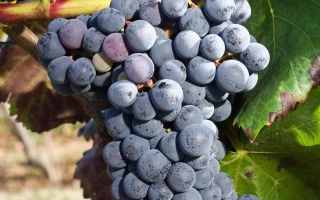
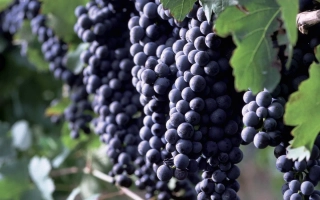
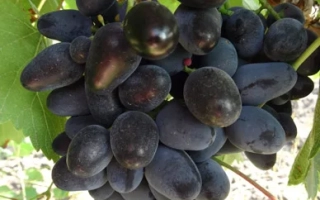
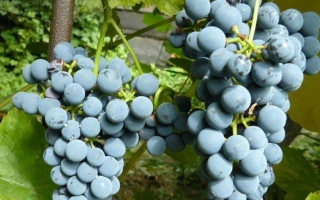
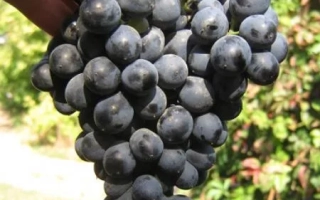
Montepulciano bushes are medium-sized, with medium-sized leaves that are deeply lobed, five-lobed, and hairy on the underside. The bunches are medium-sized, conical or cylindro-conical, often winged, and dense or medium-density. The berries are oval, dark violet-black. The variety is characterized by high yield and good adaptability to various soils. It is resistant to spring frosts and rot, but less resistant to mildew and powdery mildew. The flowers are bisexual, which contributes to stable fruiting.
Wines from Montepulciano are characterized by fullness, richness, and powerful tannins with fairly high acidity. In coastal areas of Abruzzo, for example, in the Montepulciano d'Abruzzo appellation, wines with aromas of wild herbs, fruits, and earthy notes are produced. Simple samples possess cherry, plum, and blackberry fruity notes, as well as spicy accents of oregano, pepper, and tobacco. Higher-quality wines aged in barrels reveal chocolate, coffee, clove, and smoky tones. In addition to red wines, rosé wines called cherasuolo are produced from Montepulciano, characterized by their cherry color and fresh fruity aromas.