


SKU #67044
·
52 views
Student
Triticale
RosNIIPITI SK / Saratovskiy GUBIUser rating
0 votes0% positive reviews
No ratings yet — be the first.
Type
Winter triticale
Plant Height
90-100 cm
Registration year
1996
About product

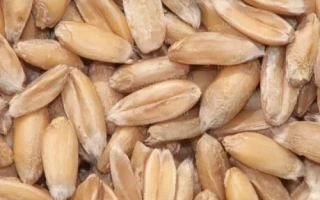
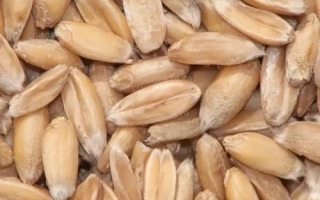
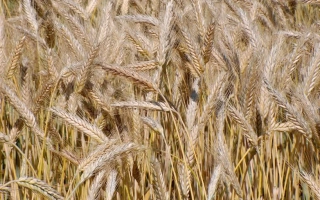
STUDENT is a triticale variety bred by hybridization involving winter soft and hard wheat, perennial rye, and winter triticale. The plant is hexaploid, featuring a cylindrical, dense spike 7-9 cm long with white-colored spike and awns. The grain is of medium size, red, elongated with a longitudinal furrow, with a mass of 1000 grains of 42 g. The stem height is medium — 95-106 cm, with a medium-thi…
Type
Winter triticale
Plant Height
90-100 cm
Registration year
1996
Description
STUDENT is a triticale variety bred by hybridization involving winter soft and hard wheat, perennial rye, and winter triticale. The plant is hexaploid, featuring a cylindrical, dense spike 7-9 cm long with white-colored spike and awns. The grain is of medium size, red, elongated with a longitudinal furrow, with a mass of 1000 grains of 42 g. The stem height is medium — 95-106 cm, with a medium-thickness and strength leaf sheath and pubescence under the spike. The vegetative period is medium-late, lasting 261-278 days. The variety has good winter hardiness and above-average resistance to lodging, but is severely affected by brown and stem rust, as well as snow mold at the standard level. STUDENT triticale is characterized by universal use and high productivity. Maximum grain yield reaches 64.1 c/ha, while protein content in the grain does not fall below standards, and protein content and collection per hectare in green mass surpasses winter wheat indicators. Crop green matter in terms of dry matter yield exceeds standards by 7 c/ha. The plant has a well-developed root system capable of penetrating soil to a depth of 1.5-2 m, ensuring good uptake of nutrients and drought resistance. A thick layer of waxy coating and pubescence of leaves and stems contribute to high water-holding capacity of cells and increase resistance to unfavorable conditions. STUDENT prefers structural chernozems and cultivated gray forest soils with a medium mechanical composition and neutral acidity (pH 5.6-7.5). It is less demanding to soils than wheat but grows poorly on saline, clogging clay, light sandy, and waterlogged soils. Triticale has good frost hardiness, close to rye frost hardiness, and high drought resistance due to a well-developed root system and waxy coating. The plant is predominantly self-pollinating, but cross-pollination up to 40% is possible in different varieties. Triticale grain is larger than wheat and rye, but the gluten has more sticky and stretchable properties, which affects baking qualities.
Crop & resistance
Disease resistance
Specifications hover over for a hint about the specification
|
Type
Type
Galia (Galia) type — relatively new, of Israeli origin, although there are indications that this variety may originate from Spain. The fruits of this type are round or oval, weighing about 1 kg. The surface is smooth, covered with a delicate, connected netting, turning yellow whe... |
|
|---|---|
| Plant Height | 90-100 cm |
| Registration year | 1996 |
| Catalog | Catalog → Triticale |
| Manufacturer | RosNIIPITI SK / Saratovskiy GUBI |
| Legal data | |
| Country | Russia |
Store offers
Prices are updated on loadLoading offers…
Aggregator catalog: prices are collected automatically from store websites, normalized by AI and converted at the current exchange rate. Before ordering, confirm the price and availability on the store's website. This block is not indexed by search engines — the data is loaded after the page opens.
Not yet комментариев. Be the first!
Alternatives
Triticale seeds · similar varieties


See also
Often considered together with this variety





Recently viewed
Products you’ve viewed on this site
Reviews · 0