


SKU #57759
·
35 views
VK 101 SUR
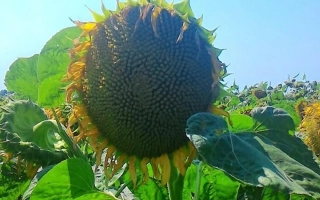
Sunflower
User rating
0 votes0% positive reviews
No ratings yet — be the first.
Vegetation Period
80-90 days
Plant; height
140-150 cm
Registration year
2025
Store offers · 1 from 1 stores
Prices are updated on loadLoading offers…
Available at: Snpk
Aggregator catalog: prices are collected automatically from store websites, normalized by AI and converted at the current exchange rate. Before ordering, confirm the price and availability on the store's website. This block is not indexed by search engines — the data is loaded after the page opens.
About product

Ultra-early maturing solution for replanting and stubble cropping with a 90-day vegetation period.
Vegetation Period
80-90 days
Plant; height
140-150 cm
Registration year
2025
Description
An ultra-early tool for intensive crop rotation
The ultra-early maturing hybrid VK 101 SUR, developed by VNIIMK, is a strategic asset for farms where time management is the key to profitability. With a vegetation period of 80–90 days, this sunflower hybrid allows for flexible scheduling of field operations and optimized use of machinery.
Field application scenarios
- Stubble seeding: Due to its short maturation cycle, the hybrid matures successfully even with delayed sowing dates, allowing for a secondary crop harvest after winter cereals.
- Emergency replanting: In cases where primary crops are damaged by late frosts, hail, or pests, VK 101 SUR serves as an ideal solution for replanting, ensuring harvest maturity before harsh autumn conditions.
- Sequential harvesting: Incorporating this hybrid into the rotation spreads the harvest window over 2–3 weeks, reducing the pressure on the combine harvester fleet and preventing grain losses from lodging or over-ripening.
The plant height of 140–150 cm facilitates mechanized harvesting, minimizing seed scattering during header operation. The uniform maturation across the field allows for single combine settings, which directly improves grain quality and logistics efficiency.
This hybrid is tailored for agronomists aiming to mitigate the risks associated with late autumn harvests and seeking to maximize the yield potential of every hectare without compromising on profitability.
Crop & resistance
Crop
Specifications
| Vegetation Period | 80-90 days |
|---|---|
| Plant; height | 140-150 cm |
| Registration year | 2025 |
| Catalog | Catalog → Sunflower |
| Legal data |
Show · 1
|
| Country | Russia |
Not yet комментариев. Be the first!
Alternatives
Sunflower seeds · similar varieties





See also
Often considered together with this variety








Recently viewed
Products you’ve viewed on this site
Reviews · 0