


SKU #30793
·
67 views
Matador
Spinach
«Свитязь»User rating
0 votes0% positive reviews
No ratings yet — be the first.
Leaf Color
Green
Registration year
2023
Prices in stores
from276.8 €per 1000 seeds
pack from 0.1 € per 3 g
8 offers from 5 stores
Store offers · 8 from 5 stores
Prices are updated on loadLoading offers…
Available at: DSH · Florium · Матла Фловерс · Uagorod · Веснодар
Aggregator catalog: prices are collected automatically from store websites, normalized by AI and converted at the current exchange rate. Before ordering, confirm the price and availability on the store's website. This block is not indexed by search engines — the data is loaded after the page opens.
About product

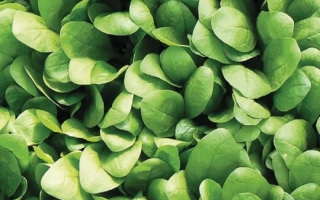
Spinach Matador — a medium-maturing Czech selection variety, known for its cold resistance and high yield. The vegetation period ranges from 35 to 50 days, allowing for multiple harvests per season when sown every 14 days. The plant is compact, reaching up to 25 cm in height, forming a large, semi-upright rosette 20–25 cm in diameter with succulent, glossy, oval leaves of intense green color. The…
Leaf Color
Green
Registration year
2023
Description
Spinach Matador — a medium-maturing Czech selection variety, known for its cold resistance and high yield. The vegetation period ranges from 35 to 50 days, allowing for multiple harvests per season when sown every 14 days. The plant is compact, reaching up to 25 cm in height, forming a large, semi-upright rosette 20–25 cm in diameter with succulent, glossy, oval leaves of intense green color. The variety is resistant to bolting and has good immunity to diseases, making it a reliable choice for cultivation in open ground, greenhouses, polytunnels, and even on balconies. Due to its frost resistance, Matador can be planted in the fall for an early harvest. The leaves of Matador spinach are highly nutritious: they are rich in vitamins A, C, and E, which are retained even after heat treatment, as well as iron, fiber, and protein. These properties make spinach beneficial for anemia, gastritis, hypertension, nervous system disorders, and are recommended for pregnant women and children. Spinach strengthens the heart muscle, improves sleep quality, and supports overall health. Leaves are consumed fresh in salads and smoothies, as well as boiled, baked, and used in complex dishes including soups, side dishes, and baked goods. Due to its ability to retain green color during thermal processing, Matador spinach is often used for natural coloring in culinary applications. Cultivation of the Matador variety does not require special conditions: it prefers sunny locations with moist soil but can also grow in partial shade. The plant does not tolerate drought, so it requires regular and abundant watering. Fresh greens do not keep long — about 7 days — so leaves are often dried for storage. The yield of this variety is 2.2–2.7 kg per square meter, making it attractive for both home cultivation and commercial production and fresh market sales. Matador is a time-tested superfood combining excellent taste, health benefits, and ease of cultivation.
Video · 2 videos
Suggest a video →Specifications
| Leaf Color | |
|---|---|
| Registration year | 2023 |
| Catalog | Catalog → Spinach |
| Manufacturer | «Свитязь» |
| Country | Russia |
Not yet комментариев. Be the first!
Alternatives
Spinach seeds · similar varieties


See also
Often considered together with this variety







Recently viewed
Products you’ve viewed on this site
Reviews · 0