

SKU #63647
·
62 views
ZANA
Soybean
Semences Prograin IncUser rating
0 votes0% positive reviews
No ratings yet — be the first.
Growing Season
110-120 days
Plant; plant height
80-90cm
Plant: Height of Lower Pod Attachment
14-16cm
Seeds: oil content
20-21%
About product

A high-performance soybean variety featuring superior Sclerotinia resistance and excellent protein content.
Growing Season
110-120 days
Plant; plant height
80-90cm
Plant: Height of Lower Pod Attachment
14-16cm
Seeds: oil content
20-21%
Description
Soybean «Zana» by Semences Prograin: Genetic Resilience and Productivity
In the landscape of modern agriculture, balancing high yields with disease resistance is the ultimate goal. «Zana» from the Canadian breeding company Semences Prograin is a variety tailored for growers who prioritize crop stability, especially in environments prone to fungal pressures, such as Sclerotinia stem rot (white mold).
Biological Traits and Performance
Categorized as a medium-maturing variety with a growing season of 110–120 days, «Zana» is built to capitalize on mid-summer moisture for consistent seed development. The plants reach a height of 80–90 cm, with the critical feature of lower pod attachment at 14–16 cm. This physical structure makes it exceptionally well-suited for efficient mechanical harvesting, ensuring low field losses and cleaner samples in the grain tank.
Seed Quality Metrics
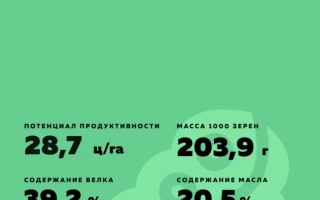
The genetic profile of Semences Prograin varieties is recognized for its high commercial value. «Zana» consistently delivers high-quality seeds with an oil content of 20–21% and a protein concentration between 39% and 41%. This nutritional profile makes it highly attractive to processors and exporters who demand high oil and protein density.
Pros and Agronomic Positioning
- Sclerotinia Resistance: The standout attribute of this variety is its genetic tolerance to Sclerotinia, providing a reliable buffer against one of the most devastating soybean diseases.
- Efficiency: High pod clearance drastically reduces harvest stress, minimizing cutter bar losses and ensuring a smoother workflow.
- Flexibility: The variety shows strong performance across various soil types, maintaining yield stability even when weather conditions fluctuate during the season.
Is «Zana» the right choice for you? This variety is an excellent fit for farms practicing intensive crop management that seek to mitigate risk. By combining strong field resistance with predictable maturation and high-quality output, «Zana» provides a reliable foundation for a profitable harvest.
Crop & resistance
Crop
Disease resistance
Specifications
| Growing Season | 110-120 days |
|---|---|
| Plant; plant height | 80-90cm |
| Plant: Height of Lower Pod Attachment | 14-16cm |
| Seeds: oil content | 20-21% |
| Seeds: protein content | 39-41% |
| Registration year | 2017 |
| Catalog | Catalog → Soybean |
| Manufacturer | Semences Prograin Inc |
| Legal data |
Show · 2
|
Store offers
Prices are updated on loadLoading offers…
Aggregator catalog: prices are collected automatically from store websites, normalized by AI and converted at the current exchange rate. Before ordering, confirm the price and availability on the store's website. This block is not indexed by search engines — the data is loaded after the page opens.
Not yet комментариев. Be the first!
Alternatives
Soybean seeds · similar varieties


See also
Often considered together with this variety




Recently viewed
Products you’ve viewed on this site
Reviews · 0