


SKU #63650
·
53 views
Soybean Victoria
Soybean
Фгбоу Во Белгородский ГауUser rating
0 votes0% positive reviews
No ratings yet — be the first.
Plant; plant height
50-60cm, 90-100cm
Seeds: oil content
22-23%
Seeds: protein content
37-39%
Registration year
2017
About product

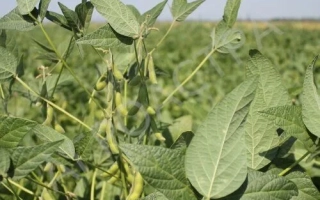
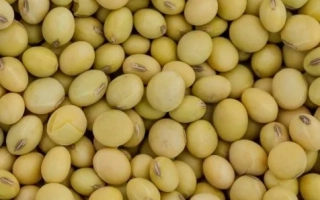
The Victoria soybean variety is an early-maturing annual leguminous plant recommended for cultivation in the Belgorod and Kursk regions. The plant is of indeterminate growth type, medium height, reaching 50 to 100 cm, with an upright form and trifoliate leaves. Flowers can be white or purple, and the seeds are small, globose-flattened, and yellow. The variety is distinguished by high drought resis…
Plant; plant height
50-60cm, 90-100cm
Seeds: oil content
22-23%
Seeds: protein content
37-39%
Registration year
2017
Description
The Victoria soybean variety is an early-maturing annual leguminous plant recommended for cultivation in the Belgorod and Kursk regions. The plant is of indeterminate growth type, medium height, reaching 50 to 100 cm, with an upright form and trifoliate leaves. Flowers can be white or purple, and the seeds are small, globose-flattened, and yellow. The variety is distinguished by high drought resistance and resilience to adverse conditions, making it a reliable choice for regions with a variable climate.
Victoria soybean is characterized by high yield: the average yield is 24.7 centners per hectare, while the maximum reaches 42.2 centners per hectare. Seeds contain a significant amount of protein — 37.4%, and fat — 22.1%, which makes this variety valuable for the food industry, as well as for soybean oil production and animal feed. The plant is light-loving, requires moderate irrigation, and possesses frost resistance.
For sowing, a sowing rate of 600-700 thousand seeds per hectare is recommended for row sowing and 500-600 thousand for wide-row sowing. The variety is susceptible to some diseases, such as fusarium, white rot, and soybean nematode; however, its resistance to adverse factors allows for successful cultivation in the indicated regions. Victoria soybean was developed at Belgorod State Agrarian University and included in the register of varieties in 2017.
Victoria soybean is characterized by high yield: the average yield is 24.7 centners per hectare, while the maximum reaches 42.2 centners per hectare. Seeds contain a significant amount of protein — 37.4%, and fat — 22.1%, which makes this variety valuable for the food industry, as well as for soybean oil production and animal feed. The plant is light-loving, requires moderate irrigation, and possesses frost resistance.
For sowing, a sowing rate of 600-700 thousand seeds per hectare is recommended for row sowing and 500-600 thousand for wide-row sowing. The variety is susceptible to some diseases, such as fusarium, white rot, and soybean nematode; however, its resistance to adverse factors allows for successful cultivation in the indicated regions. Victoria soybean was developed at Belgorod State Agrarian University and included in the register of varieties in 2017.
Crop & resistance
Crop
Disease resistance
Specifications
| Plant; plant height | 50-60cm, 90-100cm |
|---|---|
| Seeds: oil content | 22-23% |
| Seeds: protein content | 37-39% |
| Registration year | 2017 |
| Catalog | Catalog → Soybean |
| Manufacturer | Фгбоу Во Белгородский Гау |
| Legal data |
Show · 4
|
| Country | Russia |
Store offers
Prices are updated on loadLoading offers…
Aggregator catalog: prices are collected automatically from store websites, normalized by AI and converted at the current exchange rate. Before ordering, confirm the price and availability on the store's website. This block is not indexed by search engines — the data is loaded after the page opens.
Not yet комментариев. Be the first!
Alternatives
Soybean seeds · similar varieties





See also
Often considered together with this variety


Recently viewed
Products you’ve viewed on this site
Reviews · 0