


SKU #63666
·
59 views
MUSHROOM FEED SOY
Soybean
DalGAUUser rating
0 votes0% positive reviews
No ratings yet — be the first.
Growing Season
100-110 days
Seeds: oil content
20-21%
Seeds: protein content
37-39%
Registration year
1989
About product

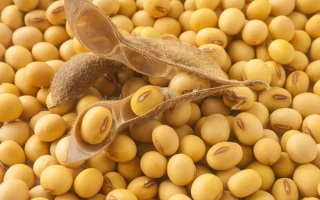
Mushroom Feed Soy is a feed soy variety intended for cultivation in the Russian Far East region. This plant is indeterminate type, ranging from low to medium height, with reddish-brown pubescence. The leaves have an ovate shape and green color, while seeds are characterized by an elongated-flattened shape and yellow-green seed coat. The variety is distinguished by an early maturity period; the dur…
Growing Season
100-110 days
Seeds: oil content
20-21%
Seeds: protein content
37-39%
Registration year
1989
Description
Mushroom Feed Soy is a feed soy variety intended for cultivation in the Russian Far East region. This plant is indeterminate type, ranging from low to medium height, with reddish-brown pubescence. The leaves have an ovate shape and green color, while seeds are characterized by an elongated-flattened shape and yellow-green seed coat. The variety is distinguished by an early maturity period; the duration of the vegetation period is 103-105 days, which allows for efficient use in the region's agricultural cycles.
Mushroom Feed Soy forms a highly leafy bush with good branching, which contributes to high yield of green mass — in station trials it reached 350 centners per hectare. The mass of 1000 seeds varies from 135.6 to 148.9 grams, while the average seed yield in the region is about 16.8 centners per hectare. Protein content in seeds reaches 38.3%, fat — 20.5%, making this variety a valuable source of nutrients for feed purposes. In addition, protein content in straw is in the range of 9.4-10.7%, and the oil content of seeds corresponds to the level of grain varieties and exceeds 18%.
Soy Mushroom Feed Soy is recommended for cultivation in various regions of the Far East, including the Jewish Autonomous Oblast, Kamchatka Krai, Magadan Oblast, Primorsky Krai, Sakhalin Oblast, Khabarovsk Krai, and the Chukotka Autonomous Okrug. Thanks to its agronomic characteristics and high nutritional indicators, this variety is a reliable choice for the production of feeds and oilseed raw materials in the conditions of the Russian North-Eastern regions.
Mushroom Feed Soy forms a highly leafy bush with good branching, which contributes to high yield of green mass — in station trials it reached 350 centners per hectare. The mass of 1000 seeds varies from 135.6 to 148.9 grams, while the average seed yield in the region is about 16.8 centners per hectare. Protein content in seeds reaches 38.3%, fat — 20.5%, making this variety a valuable source of nutrients for feed purposes. In addition, protein content in straw is in the range of 9.4-10.7%, and the oil content of seeds corresponds to the level of grain varieties and exceeds 18%.
Soy Mushroom Feed Soy is recommended for cultivation in various regions of the Far East, including the Jewish Autonomous Oblast, Kamchatka Krai, Magadan Oblast, Primorsky Krai, Sakhalin Oblast, Khabarovsk Krai, and the Chukotka Autonomous Okrug. Thanks to its agronomic characteristics and high nutritional indicators, this variety is a reliable choice for the production of feeds and oilseed raw materials in the conditions of the Russian North-Eastern regions.
Crop & resistance
Crop
Specifications
| Growing Season | 100-110 days |
|---|---|
| Seeds: oil content | 20-21% |
| Seeds: protein content | 37-39% |
| Registration year | 1989 |
| Catalog | Catalog → Soybean |
| Manufacturer | DalGAU |
| Legal data |
Show · 1 |
| Country | Russia |
Store offers
Prices are updated on loadLoading offers…
Aggregator catalog: prices are collected automatically from store websites, normalized by AI and converted at the current exchange rate. Before ordering, confirm the price and availability on the store's website. This block is not indexed by search engines — the data is loaded after the page opens.
Not yet комментариев. Be the first!
Alternatives
Soybean seeds · similar varieties






See also
Often considered together with this variety



Recently viewed
Products you’ve viewed on this site
Reviews · 0