


SKU #42693
·
61 views
Soybean Kyivska 91
Soybean
Prices in stores
No offers yet — stores have not added prices for this product yet.
Similar varieties with prices
-
MajestixFARMSAAT AG
from 56.94 €
-
 BalatonResearch and Development Center of Soybean «Age»
from 0.46 €per 1 kg
BalatonResearch and Development Center of Soybean «Age»
from 0.46 €per 1 kg
-
 IRBIS
from 3.97 €per 1 kg
IRBIS
from 3.97 €per 1 kg
-
 FortunaIFVCNS (Novi Sad)
from 0.43 €per 1 kg
FortunaIFVCNS (Novi Sad)
from 0.43 €per 1 kg
Seeds: protein content
38-41
Growing Season
105-115
Plant: plant height
85-105
Plant: Height of Lower Pod Attachment
12-16
Your mark
0 votes
0% positive ratings
About product
A reliable mid-season soybean variety with high protein content and strong resistance to powdery mildew.
Description
Crop Stability and Disease Resistance
The «Kyivska 91» soybean variety, developed by the National Scientific Center «Institute of Agriculture of the NAAS», represents a reliable choice for farmers prioritizing consistency. Its primary competitive advantage lies in its high adaptability to Ukrainian soil and climatic conditions, coupled with robust resistance to powdery mildew. Unlike many foreign hybrids that demand an ideal growing environment, «Kyivska 91» maintains productivity even under moderate stress factors.
Agronomic Efficiency
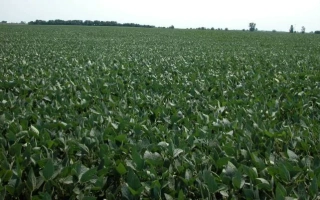
For agricultural producers, harvesting efficiency is a top priority. With the lower pods attached at a height of 12–16 cm, this variety minimizes harvesting losses, providing a significant advantage over many competitive varieties prone to lodging or having low pod clearance. Growing to a height of 85–105 cm, the plants provide excellent canopy closure, which effectively suppresses weed growth during the early stages of development.
Quality Parameters
- Protein content: 38–41%, meeting the strict export standards for fodder and food-grade soybeans.
- Oil content: 20–22%, providing an optimal balance for processing facilities.
- Growth cycle: 105–115 days. This mid-season maturity fits perfectly into the crop rotation of most regions, allowing for harvest completion before the onset of heavy autumn rains.
Target Audience: This variety is ideal for farms in the Forest-Steppe zone seeking a balance between high yields and grain quality. «Kyivska 91» is a true workhorse for those looking for cost-effective seed material with a proven track record supported by decades of domestic breeding research.
Crop & resistance
Crop
Disease resistance
Specifications
| Seeds: protein content | 38-41 |
|---|---|
| Growing Season | 105-115 |
| Plant: plant height | 85-105 |
| Plant: Height of Lower Pod Attachment | 12-16 |
| Seeds: oil content | 20-22 |
| Registration year | 1996 |
| Catalog | Catalog → Soybean |
| Legal data |
Show · 1
|
| Country | Ukraine |
No reviews yet. Be the first to share your experience.
Alternatives
Soybean seeds · similar varieties


See also
Often considered together with this variety




Recently viewed
Products you’ve viewed on this site
Reviews