


SKU #42374
·
85 views
Erie
Soybean
Cerela IncUser rating
0 votes0% positive reviews
No ratings yet — be the first.
Growing Season
100-110 days
Plant; plant height
70-80cm
Seeds: oil content
20-21%, 21-22%
Seeds: protein content
39-41%, 41-43%
About product

Erie soybean variety is a mid-season, high-yielding variety developed by the Canadian company Cerela Inc. Plants reach a height of 73 to 90 cm and are characterized by rapid early growth and semi-determinate growth habit. The vegetative period is 100-110 days, allowing the variety to be used in various climatic conditions. The 1000-seed mass ranges from 184.6 to 220 g, indicating large and high-qu…
Growing Season
100-110 days
Plant; plant height
70-80cm
Seeds: oil content
20-21%, 21-22%
Seeds: protein content
39-41%, 41-43%
Description
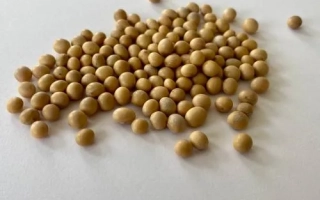
Erie soybean variety is a mid-season, high-yielding variety developed by the Canadian company Cerela Inc. Plants reach a height of 73 to 90 cm and are characterized by rapid early growth and semi-determinate growth habit. The vegetative period is 100-110 days, allowing the variety to be used in various climatic conditions. The 1000-seed mass ranges from 184.6 to 220 g, indicating large and high-quality seed material.
One of the key features of the Erie variety is its high resistance to various diseases and stress factors, including drought, lodging, mechanical harvesting, as well as diseases such as downy mildew, septoria, ascochytosis, fusarium, and bacterial blight. High leaf and stem pubescence provides additional protection against biotic and abiotic stresses, contributing to maintaining yield and grain quality even with late harvest.
The variety is distinguished by high protein content (40-44.3%) and fat content (20-22%), making it especially valuable for food industry. Yield exceeds standards by 12.7-17.2%, reaching up to 46 c/ha, confirming its economic efficiency. Due to its quality characteristics and resistance, Erie soybean is suitable for intensive cultivation techniques and ensures stable and high yield.
One of the key features of the Erie variety is its high resistance to various diseases and stress factors, including drought, lodging, mechanical harvesting, as well as diseases such as downy mildew, septoria, ascochytosis, fusarium, and bacterial blight. High leaf and stem pubescence provides additional protection against biotic and abiotic stresses, contributing to maintaining yield and grain quality even with late harvest.
The variety is distinguished by high protein content (40-44.3%) and fat content (20-22%), making it especially valuable for food industry. Yield exceeds standards by 12.7-17.2%, reaching up to 46 c/ha, confirming its economic efficiency. Due to its quality characteristics and resistance, Erie soybean is suitable for intensive cultivation techniques and ensures stable and high yield.
Crop & resistance
Crop
Specifications
| Growing Season | 100-110 days |
|---|---|
| Plant; plant height | 70-80cm |
| Seeds: oil content | 20-21%, 21-22% |
| Seeds: protein content | 39-41%, 41-43% |
| Registration year | 2022 |
| Catalog | Catalog → Soybean |
| Manufacturer | Cerela Inc |
| Legal data |
Show · 3
|
| Country | Russia |
Store offers
Prices are updated on loadLoading offers…
Aggregator catalog: prices are collected automatically from store websites, normalized by AI and converted at the current exchange rate. Before ordering, confirm the price and availability on the store's website. This block is not indexed by search engines — the data is loaded after the page opens.
Not yet комментариев. Be the first!
Alternatives
Soybean seeds · similar varieties




See also
Often considered together with this variety





Recently viewed
Products you’ve viewed on this site
Reviews · 0