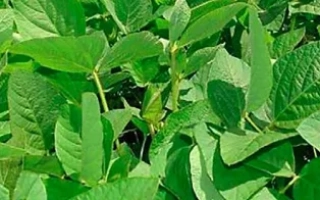
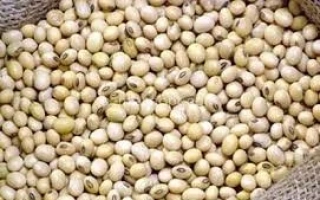
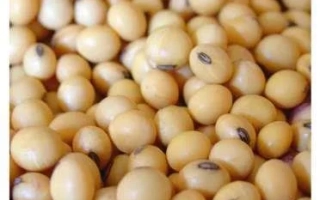
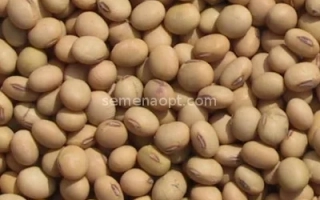
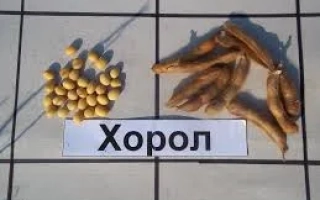
Soybean variety Silver Rut is an early-maturing, high-yielding variety adapted to various soil-climatic conditions of the forest-steppe and steppe zones. Plant height reaches 60-80 cm, with protein content in the grain ranging from 39-42%, and oil content from 20-24%. The variety exhibits resistance to lodging and shattering, which helps preserve yield and improve its quality. The recommended plant density at harvest is 550-650 thousand plants per hectare, ensuring optimal land use and maximum productivity.
For successful cultivation of Silver Rut soybean, favorable temperature conditions and adequate soil moisture, especially during flowering, pod formation, and seed filling stages, are required. The optimal sum of effective temperatures for early soybean varieties ranges from 1700 to 2000 °C, and soil moisture during critical periods should be maintained at 70-80%. The soybean is relatively drought-tolerant in early growth stages, but requires increased attention to water management during fruiting. Sowing should be conducted when soil temperature reaches 11-12 °C at the seed sowing depth, typically late April to early May. Seed sowing depth varies from 3 to 6 cm depending on soil moisture.
Cultivation technology includes thorough soil preparation with primary and pre-sowing treatments, application of mineral fertilizers based on soil phosphorus and potassium availability, and use of bacterial inoculants for seeds to promote effective nitrogen fixation and increase yield by 10-30%. An important aspect is crop rotation, with preference for winter and spring cereals as preceding crops, which improves soil structure and reduces disease incidence. To protect against pests such as spider mites and acacia aphids, insecticides based on dimethoate and fozalon are applied, along with agronomic measures including timely harvest and deep autumn soil tillage. For fungal diseases, fungicides are recommended to be applied at the beginning of pod formation.