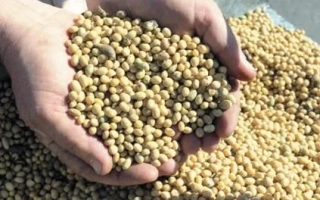
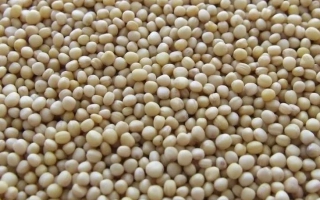
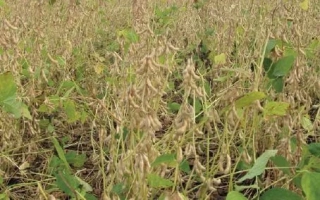
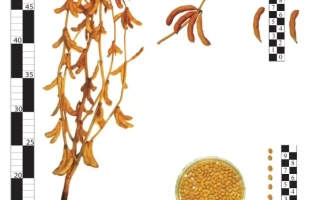
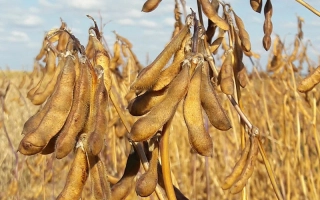
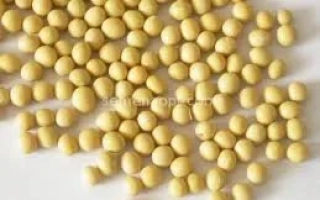
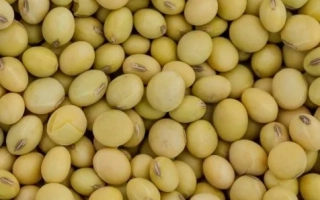
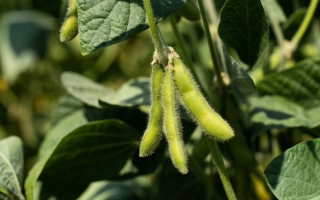
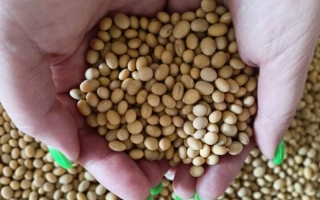
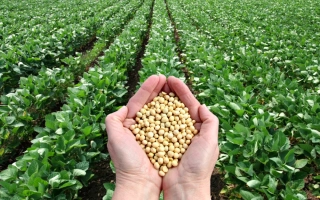
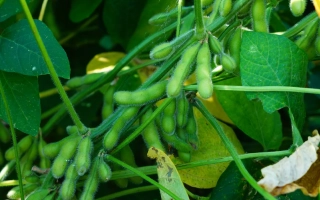
The Mussoon soybean variety is a late-maturing variety recommended for cultivation in the Far East region of Russia, including the Primorsky and Khabarovsk territories. Plants of this variety are indeterminate in development, medium-tall and erect, with gray hair on the main stem and white flowers. Seeds are of medium size, elongated, yellow in color with a light brown hilum. The mass of 1000 seeds is 171.5 grams, indicating good quality of seed material. Plant height reaches about 91 cm, while the height of attachment of the lower pod is 17.6 cm.
The Mussoon variety is characterized by high resistance to fungal diseases, which allows for abstaining from the use of chemical protection means, which is a significant advantage for environmentally friendly agriculture. Protein content in seeds reaches 38.3%, and fat — 19.9%, which makes this variety attractive for the production of foods with high nutrient content. The vegetative period is 122 days, corresponding to a late-maturing type.
The yield of the Mussoon variety varies depending on growing conditions and sowing technology. Average yield in the Far East region is about 13 c/ha, while maximum indicators reach 31 c/ha, recorded in the Primorsky territory. Studies have shown that the optimal technology for obtaining high yield is row sowing with 15 cm inter-row spacing and a sowing rate of 550 thousand viable seeds per hectare, which ensures a yield of up to 2.1 t/ha. With an increase in inter-row spacing to 30 cm and a sowing rate of 650–700 thousand seeds per hectare, yield can reach 2.2 t/ha. These characteristics make the Mussoon variety promising for effective cultivation under the monsoon climate of the Far East.