

SKU #47323
·
59 views
Radomirs'ke
Rye
Polissia DS named after O.M. ZasuhinUser rating
0 votes0% positive reviews
No ratings yet — be the first.
Resistance to Falling
High
Registration year
2010
About product
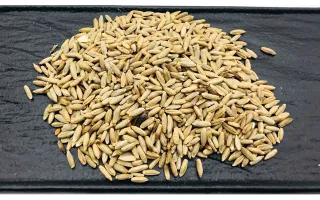
Rye of the "Radomirs'ke" variety is one of the oldest cereal crops that humans began to use for food. This product is distinguished by its high nutritional value, as it contains proteins, carbohydrates, and dietary fibers, making it beneficial and dietary. Rye grains have an oval, slightly elongated shape with a characteristic groove on the belly, and their large size facilitates efficient use in…
Resistance to Falling
High
Registration year
2010
Description
Rye of the "Radomirs'ke" variety is one of the oldest cereal crops that humans began to use for food. This product is distinguished by its high nutritional value, as it contains proteins, carbohydrates, and dietary fibers, making it beneficial and dietary. Rye grains have an oval, slightly elongated shape with a characteristic groove on the belly, and their large size facilitates efficient use in various food and agricultural purposes.
This crop prefers to grow on elevated areas, requiring abundant sunlight and warmth for rapid and active grain formation in ears. Rye is characterized by high bushiness and a well-developed root system, which ensures its resistance to lodging and shattering. It tolerates cold weather conditions well and has moderate resistance to dangerous diseases, making it reliable for cultivation in various climatic zones.
To achieve maximum yield, it is recommended to begin harvesting the grains when they reach hardness. After harvesting, the crop should be stored in dry rooms in special containers to preserve the quality of the grain. The recommended seeding rate for rye is 160 to 210 kg per hectare, although the exact amount depends on soil quality, weather conditions, and preceding crops on the field.
This crop prefers to grow on elevated areas, requiring abundant sunlight and warmth for rapid and active grain formation in ears. Rye is characterized by high bushiness and a well-developed root system, which ensures its resistance to lodging and shattering. It tolerates cold weather conditions well and has moderate resistance to dangerous diseases, making it reliable for cultivation in various climatic zones.
To achieve maximum yield, it is recommended to begin harvesting the grains when they reach hardness. After harvesting, the crop should be stored in dry rooms in special containers to preserve the quality of the grain. The recommended seeding rate for rye is 160 to 210 kg per hectare, although the exact amount depends on soil quality, weather conditions, and preceding crops on the field.
Crop & resistance
Crop
Specifications
| Resistance to Falling | |
|---|---|
| Registration year | 2010 |
| Catalog | Catalog → Rye |
| Manufacturer | Polissia DS named after O.M. Zasuhin |
| Country | Ukraine |
Store offers
Prices are updated on loadLoading offers…
Aggregator catalog: prices are collected automatically from store websites, normalized by AI and converted at the current exchange rate. Before ordering, confirm the price and availability on the store's website. This block is not indexed by search engines — the data is loaded after the page opens.
Not yet комментариев. Be the first!


See also
Often considered together with this variety




Recently viewed
Products you’ve viewed on this site
Reviews · 0