


SKU #66637
·
35 views
ORLOVSKAYA 9
Rye
User rating
0 votes0% positive reviews
No ratings yet — be the first.
Type
Winter barley
Registration year
1985
About product

Reliable winter rye variety with high cold tolerance and stable performance.
Type
Winter barley
Registration year
1985
Description
Resilience in Challenging Climates
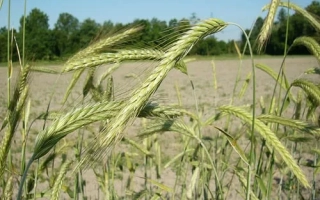
Winter rye "Orlovskaya 9," developed by the Federal Research Center for Legumes and Groat Crops, is designed for agricultural enterprises operating in high-risk climatic zones. Unlike modern high-intensity hybrids that require optimal conditions to reach their potential, this variety offers remarkable plasticity and field reliability.
Key Advantages
- Winter Hardiness: The variety exhibits exceptional cold tolerance, surviving severe temperature fluctuations and snowless winters, which makes it a low-risk asset for northern regions.
- Agronomic Stability: Excellent resistance to lodging ensures a smoother harvest process, even when weather conditions during the maturation phase are less than ideal.
- Milling Quality: Orlovskaya 9 consistently meets professional baking standards, maintaining its value in the supply chain for processing plants.
Optimal Use Case
While this variety may not reach the absolute yield ceilings of intensive hybrids under excessive fertilizer application, its strength lies in consistency. It is forgiving of minor agronomic errors and suboptimal seeding timing. This is the ideal choice for farms managing soils of average fertility where the primary objective is to secure a stable, guaranteed harvest year after year rather than chasing unsustainable yield spikes.
Video · 2 videos
Suggest a video →Crop & resistance
Crop
Specifications hover over for a hint about the specification
|
Type
Type
Galia (Galia) type — relatively new, of Israeli origin, although there are indications that this variety may originate from Spain. The fruits of this type are round or oval, weighing about 1 kg. The surface is smooth, covered with a delicate, connected netting, turning yellow whe... |
|
|---|---|
| Registration year | 1985 |
| Catalog | Catalog → Rye |
| Legal data |
Show · 1 |
| Country | Russia |
Store offers
Prices are updated on loadLoading offers…
Aggregator catalog: prices are collected automatically from store websites, normalized by AI and converted at the current exchange rate. Before ordering, confirm the price and availability on the store's website. This block is not indexed by search engines — the data is loaded after the page opens.
Not yet комментариев. Be the first!


See also
Often considered together with this variety




Recently viewed
Products you’ve viewed on this site
Reviews · 0