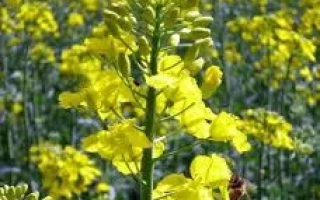
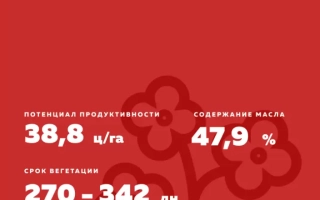
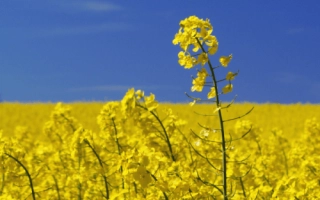
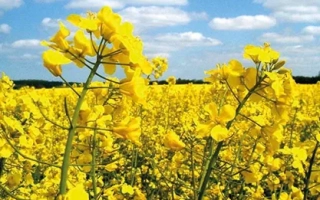
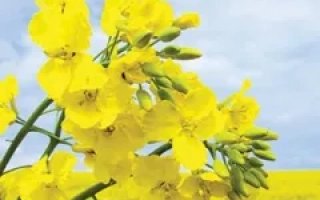
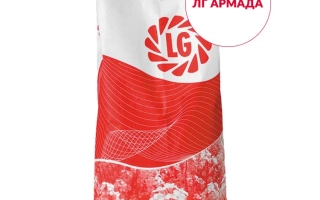
Corzar — mid-early non-erucic winter rapeseed variety developed by the Czech company Selgen a.s. This variety is characterized by high oil content in seeds — from 48 to 50%, as well as low glucosinolate levels, not exceeding 12 μmol/h. Plants reach a height of about 138 cm, and the 1000-seed weight varies from 4.5 to 6 grams. The recommended sowing rate is 600–700 kg per hectare. Corzar is adapted to various climatic zones, including steppe, forest-steppe, and forest regions, making it suitable for cultivation in different areas. The Corzar variety exhibits high resistance to several diseases and adverse factors, such as verticillium wilt, lodging, pod cracking, and phoma. This ensures stable yield and product quality even under challenging agroclimatic conditions. Rapeseed is generally one of the most profitable agricultural crops, capable of producing vigorous plants and good yields even at low moisture levels, which is especially important for regions with variable climates. Rapeseed is an annual herbaceous plant of the Brassicaceae family, valued for its ability to rapidly accumulate green mass during cold autumn and spring periods. The leaves of rapeseed are covered with a waxy coating and resemble cabbage leaves, while its small yellow flowers produce abundant nectar, attracting bees and promoting pollination. The green mass of rapeseed is also used as a high-protein feed, containing twice as much protein as corn, making it valuable for animal feeding.