


SKU #39060
·
29 views
Hidalgo
Rapeseed
NPZ LembkeUser rating
0 votes0% positive reviews
No ratings yet — be the first.
Type of Rape
Winter rape
Oil Content
40-45%
Yield Potential
50-60 cu/ha
Registration year
2008
About product

Hidalgo rapeseed is an winter crop widely used for oilseed production and as green manure. Planting of Hidalgo rapeseed is recommended from August 1 to September 20, coinciding with the sowing period for winter cereals. Rapeseed enriches soil with organic matter, phosphorus, and sulfur, and effectively suppresses weed growth and pathogenic microorganisms. It is suitable for cultivation on all type…
Type of Rape
Winter rape
Oil Content
40-45%
Yield Potential
50-60 cu/ha
Registration year
2008
Description
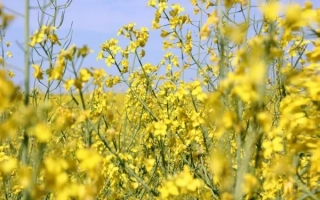
Hidalgo rapeseed is an winter crop widely used for oilseed production and as green manure. Planting of Hidalgo rapeseed is recommended from August 1 to September 20, coinciding with the sowing period for winter cereals. Rapeseed enriches soil with organic matter, phosphorus, and sulfur, and effectively suppresses weed growth and pathogenic microorganisms. It is suitable for cultivation on all types of soil, including light and heavy soils, making it a versatile choice for various agro-climatic conditions. The Hidalgo variety is distinguished by high winter hardiness and regenerative capacity, ensuring reliable winter survival and plant recovery in spring. Rapeseed exhibits very high drought tolerance and disease resistance, as well as high lodging resistance, significantly reducing yield losses. Its medium-early maturity allows effective planning of agronomic operations and timely harvest. Oil content of the seeds reaches 44.5%, and yield is 50-60 centners per hectare, making Hidalgo a high-yielding variety. Additionally, Hidalgo rapeseed is a valuable honey plant with a flowering period of 15 to 25 days. During this period, one hectare of planting can yield up to 80 kg of honey, further enhancing the economic attractiveness of the crop. High suitability for direct combine harvesting simplifies harvest operations and reduces processing costs. All these characteristics make Hidalgo rapeseed an optimal choice for farmers seeking high-quality and stable oilseed crop yields.
Crop & resistance
Disease resistance
Specifications hover over for a hint about the specification
|
Type of Rape
Type of Rape
Winter rape is a long-day plant, characterized by weak winter hardiness. It may be damaged at temperatures of -8 to -10°C, so it is most commonly grown in regions with mild winters. The most favorable temperature for growth and development of rape is 18-24°C. It requires moisture... |
|
|---|---|
| Oil Content | 40-45% |
| Yield Potential | 50-60 cu/ha |
| Registration year | 2008 |
| Catalog | Catalog → Rapeseed |
| Manufacturer | NPZ Lembke |
| Country | Germany |
Store offers
Prices are updated on loadLoading offers…
Aggregator catalog: prices are collected automatically from store websites, normalized by AI and converted at the current exchange rate. Before ordering, confirm the price and availability on the store's website. This block is not indexed by search engines — the data is loaded after the page opens.
Not yet комментариев. Be the first!
Alternatives
Rapeseed seeds · similar varieties



See also
Often considered together with this variety





Recently viewed
Products you’ve viewed on this site
Reviews · 0