


SKU #38934
·
31 views
Fedorovsky Uluchshenny
Rapeseed
НУБіП УкраїниUser rating
0 votes0% positive reviews
No ratings yet — be the first.
Type of Rape
Winter rape
Erucic Acid Content
Low
Registration year
1998
About product

A highly profitable winter rapeseed variety with low erucic acid content and excellent winter hardiness.
Type of Rape
Winter rape
Erucic Acid Content
Low
Registration year
1998
Description
Genetic Potential and Development
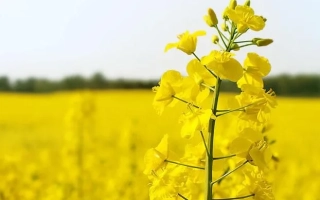
The winter rapeseed variety "Fedorovskyi pokrashchenyi" (Improved Fedorovskyi) is a product of advanced breeding research conducted by NUBiP of Ukraine. The core strength of this variety lies in its metabolic stability throughout autumn vegetation and early spring regrowth. Low erucic acid content classifies this variety as high-quality feedstock for the oil processing industry, adhering to rigorous modern food safety standards.
Agrobiological Specifications
- Crop type: Winter rapeseed of the intensive development type.
- Oil profile: Minimized erucic acid content (below 0.5%), ensuring high marketability for exports.
- Winter hardiness: Optimized for the climatic zones of Ukraine, exhibiting high regenerative capacity following winter dormancy.
Technical Advantages
The breeding approach by NUBiP focuses on the precise balance between vegetative mass and reproductive organs. "Fedorovskyi pokrashchenyi" exhibits vigorous autumn growth, which is critical for establishing a robust root system and a strong root collar before the onset of freezing temperatures. This directly contributes to stand density retention. During the spring, the variety demonstrates an early start, efficiently utilizing soil moisture reserves, which mitigates risks associated with typical spring droughts in the region. The low erucic acid level is more than just a processing requirement; it is a marker of selective breeding focused on eliminating undesirable compounds from the plant's metabolic cycle, ensuring a premium end product.
Specifications hover over for a hint about the specification
|
Type of Rape
Type of Rape
Winter rape is a long-day plant, characterized by weak winter hardiness. It may be damaged at temperatures of -8 to -10°C, so it is most commonly grown in regions with mild winters. The most favorable temperature for growth and development of rape is 18-24°C. It requires moisture... |
|
|---|---|
|
Erucic Acid Content
Erucic Acid Content
The amount of erucic acid is assessed as a percentage of the total fatty acid content in seed oil. Initially, rapeseed varieties containing less than 5% erucic acid in their seeds were named low-erucic or "0" varieties. Later, this threshold was changed, and "0" varieties now ref... |
|
| Registration year | 1998 |
| Catalog | Catalog → Rapeseed |
| Manufacturer | НУБіП України |
| Country | Ukraine |
Store offers
Prices are updated on loadLoading offers…
Aggregator catalog: prices are collected automatically from store websites, normalized by AI and converted at the current exchange rate. Before ordering, confirm the price and availability on the store's website. This block is not indexed by search engines — the data is loaded after the page opens.
Not yet комментариев. Be the first!
Alternatives
Rapeseed seeds · similar varieties






See also
Often considered together with this variety





Recently viewed
Products you’ve viewed on this site
Reviews · 0