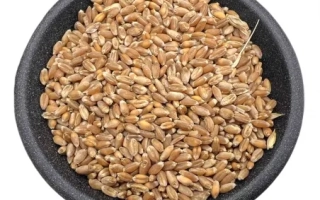
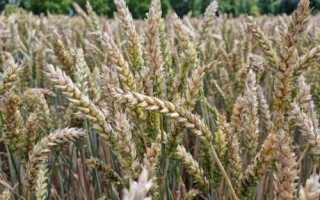
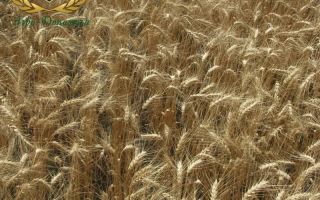
Winter soft wheat variety Zorepad is a high-yielding variety with genetically high yield potential. This medium-early and medium-height variety is characterized by high frost resistance, resistance to lodging and shattering, as well as good drought and high-temperature tolerance. Zorepad is resistant to diseases such as brown and yellow rust, powdery mildew, septoria, and fusarium, ensuring stable yields under various climatic conditions.
The yield of this variety is 45-48 centners per hectare, with a potential productivity of 95-105 centners per hectare. The thousand-grain weight varies from 38 to 42 grams, indicating high grain quality. The variety is well-adapted to both intensive and conventional cultivation technologies, but it negatively responds to early or late sowing. The best preceding crops for planting Zorepad are clean and fallow lands, legumes, cereal crops, and perennial grasses.
Zorepad is widely used in agriculture as a primary component for producing flour and other food products due to its high grain quality. The variety responds well to nitrogen fertilization, allowing further yield increase. It is recommended for cultivation in the North Caucasus Federal District and the Republic of Crimea, confirming its adaptability to various agro-climatic conditions.