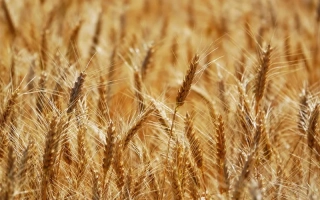
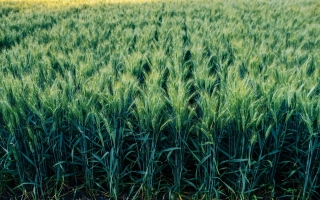
Wheat LID CALINDA — an elite variety of winter soft wheat, developed in Canada and adapted for cultivation under various climatic conditions, including zones with frosts down to –38 °C and droughts at temperatures up to +45 °C. This variety is characterized by high potential yield, reaching 115–120 c/ha, due to large ears measuring 15–18 cm in length and high productive tillering up to 920 stems per square meter. The plant is medium-height, around 97–102 cm, resistant to lodging, shattering, and pre-harvest sprouting, ensuring stable yield and grain quality.
LID CALINDA exhibits high resistance to major fungal diseases such as powdery mildew, brown and stem rust, as well as to smut diseases and barley yellow dwarf virus. The variety is characterized by its versatility for use on various agrofondums and positive response to intensification of agronomic technologies, making it suitable for organic and irrigated farming. It is well-adapted to Ukrainian conditions and recommended for cultivation in all agricultural zones of the country.
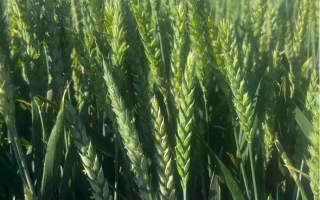
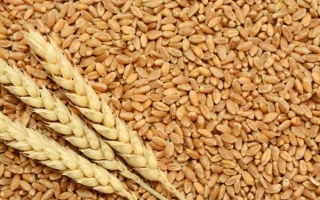
The grain quality of LID CALINDA meets the requirements of strong wheat: protein content varies from 13.7 to 15.1%, gluten content reaches 32–39%, and flour strength is 390–474 units. The grain is red in color, elongated in shape, with dimensions up to 8.6 mm in length, 3.8 mm in width, and 3.7 mm in thickness. The ears are white, awned, pyramidal in shape, with a density of 62–82 kernels per ear. Due to its high baking qualities, wheat LID CALINDA is widely used for producing premium-grade flour suitable for bread, confectionery products, as well as for making pasta and beer.