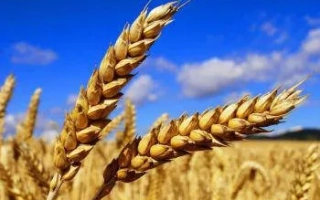
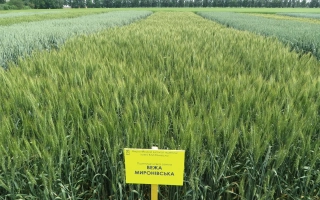
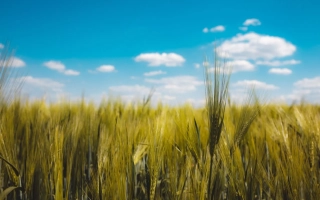
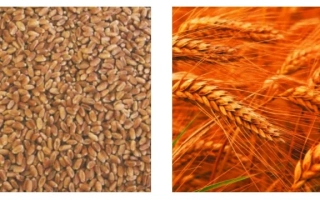
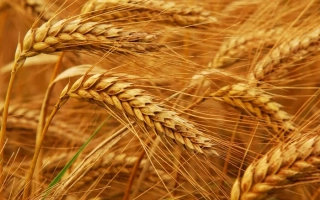
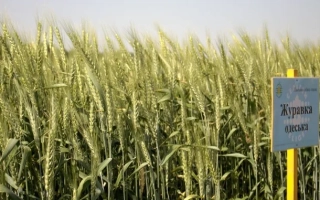
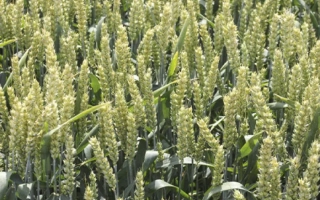
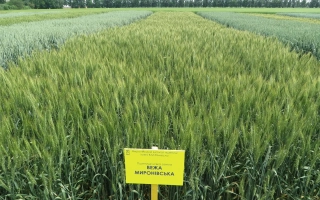
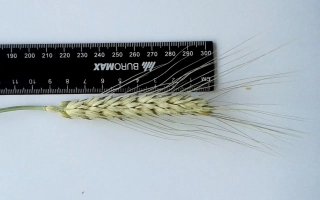
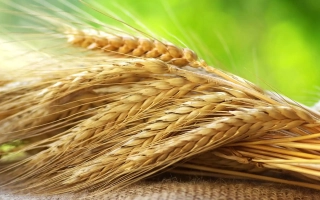
Wheat variety Borovitsia is a mid-season variety recommended for cultivation in the Polissia, forest-steppe, and steppe zones. This variety is characterized by high yield potential, reaching 5.5–6.5 tons per hectare, making it attractive for agricultural producers. Plant height varies from 85 to 93 cm, and thousand-grain weight is 40–45 grams. The ear is cylindrical, which promotes even ripening and ease of harvesting.
The quality of Borovitsia wheat is characterized by high protein content — 14.1%, as well as significant gluten levels (28.8–29.8%), ensuring good flour strength (280–323 W). These indicators make this wheat suitable for producing high-quality flour used in bakery and food industries. The variety exhibits high resistance to lodging and shattering, as well as to diseases such as powdery mildew, rust, and Fusarium head blight, confirmed by resistance ratings of 8–9 points.
Borovitsia belongs to winter wheat varieties, which are sown in spring and well-adapted to moderate climates with moderate humidity. Due to its agronomic traits and resistance to adverse factors, this variety is widely used for grain production, from which flour, bread, cereals, and other food products are made. High grain quality and stable yield make Borovitsia a profitable choice for farmers and food industry enterprises.