
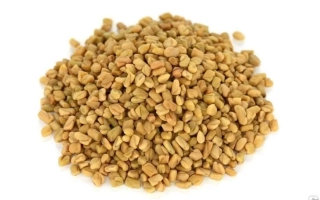

SKU #73656
·
61 views
Fenugreek Success
Fenugreek
User rating
0 votes0% positive reviews
No ratings yet — be the first.
Herbs
Pajitnik
Usage Type
On feed, Aromatic, Pharmaceutical Raw Materials
Seed Color
Light brown
Harvest Assignment
Seeds, Species
About product

A high-performance fenugreek variety optimized for essential oil content, serving both the food and pharmaceutical industries.
Herbs
Pajitnik
Usage Type
On feed, Aromatic, Pharmaceutical Raw Materials
Seed Color
Light brown
Harvest Assignment
Seeds, Species
Description
Genetic Profile and Selection Objectives
The 'Uspekh' fenugreek variety is the result of dedicated breeding work by the Gnu Alekseevskaya Experimental Station VNIIMK. Unlike wild populations, this variety has been specifically selected for high generative organ productivity, making it a high-tech solution for commercial seed production. The genetic framework is optimized for the consistent accumulation of secondary metabolites, which is critical for both pharmaceutical and food processing applications.
Agronomic and Technical Features
- Versatility: The variety exhibits high adaptability to various production scenarios, ranging from green fodder production to specialized cultivation for grain (spices).
- Morphological Indicators: The light-brown seeds possess a robust seed coat, which is essential for preserving volatile essential oils and coumarin content. This structural integrity ensures the shelf stability of aromatic compounds.
- Yield Stability: The breeder has prioritized predictable output. The variety responds well to precise agronomic management during growth phases, requiring timely harvesting to maximize the concentration of target aromatic compounds.
Operational Efficiency
'Uspekh' effectively addresses the core challenge of raw material standardization. For spice processors, material purity and consistent organoleptic properties are paramount. By selecting for optimal concentrations of target components while minimizing bitter compounds, this variety reduces quality variance. It stands out as a highly efficient technical asset for farms targeting specialized markets, such as pharmaceutical ingredients and premium seasoning production.
Crop & resistance
Crop
Specifications
| Herbs | |
|---|---|
| Usage Type | |
| Seed Color | |
| Harvest Assignment | |
| Registration year | 2004 |
| Catalog | Catalog → Fenugreek |
| Legal data |
Show · 1
|
| Country | Russia |
Store offers
Prices are updated on loadLoading offers…
Aggregator catalog: prices are collected automatically from store websites, normalized by AI and converted at the current exchange rate. Before ordering, confirm the price and availability on the store's website. This block is not indexed by search engines — the data is loaded after the page opens.
Not yet комментариев. Be the first!

See also
Often considered together with this variety




Recently viewed
Products you’ve viewed on this site
Reviews · 0