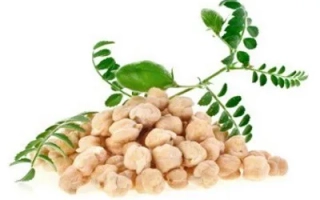
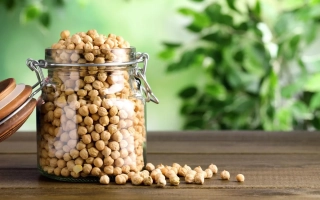
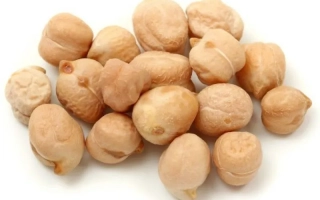
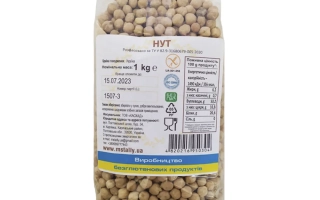
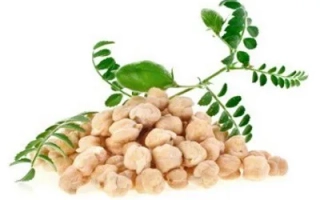
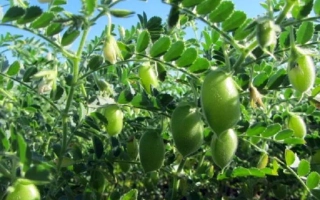
Nuts is a leguminous plant widely used in culinary and Ayurvedic diets due to its beneficial properties and nutritional composition. It has a pleasant nutty flavor and is gluten-free, making it safe for people with gluten intolerance. It contains about 25 grams of protein per 100 grams, making it one of the richest plant-based sources of this essential macronutrient. Additionally, nuts have a low glycemic index — 28 — and a high fiber content, which promotes prolonged satiety and prevents sharp spikes in blood glucose levels.
In Ayurvedic practice, nuts are valued for their warming properties and ability to support the balance of doshas, especially Vata and Pitta. It helps strengthen the body, improve digestion, and supports healthy skin and hair. Thanks to its high fiber content, nuts are suitable for individuals with sensitive digestion and are commonly used in dishes such as kichari and curries, as well as in detoxification programs.
In addition to protein and fiber, nuts are a source of important trace elements, such as iron (6.2 mg per 100 grams), which participates in metabolic processes in the body. Nuts also contain the amino acid methionine, which aids in breaking down bad cholesterol and prevents fatty liver disease. All these properties make nuts a valuable product for maintaining overall health and proper nutrition.