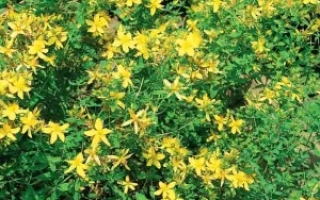
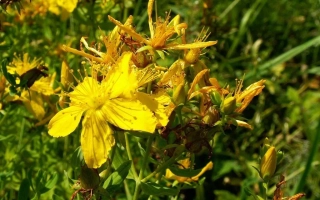
Medea is an oilseed variety of Abissynian guizotia, developed at the Penza Institute of Agriculture. The plant is an annual succulent growing from 30 cm to 2 meters in height, featuring a branched stem and simple lanceolate or oval-lanceolate leaves. Inflorescences form heads with a diameter of 2.2 to 6 cm, located on long stalks; flowers are yellow, and seeds are four-sided, shiny, and almost black. Seeds contain up to 43% oil, mostly linoleic acid, making it a valuable source of beneficial fat. Additionally, the raw product contains 20.9% protein, 17.8% carbohydrates, and significant amounts of calcium, phosphorus, and iodine.
Medea is distinguished by high drought and heat resistance, as well as good adaptation to various soil types – from forest-steppe to semi-desert zones of the Lower Volga region. When grown without irrigation, the plant maintains productivity, but with additional moisture, biological yield can increase 2–2.5 times. In arid regions, it can be used as a siderate and fodder crop capable of producing up to 450 c/ha of green mass.
The variety exhibits high productivity and plasticity: in the forest-steppe zone of the Middle Volga, yields reached 1.70–1.75 t/ha, while in Volgograd and Astrakhan regions – 30% lower. Due to the content of linoleic acid, guizotia oil is considered beneficial for nutrition, especially when irrigating fertile lands. Introducing Medea into the agricultural sector contributes to improving sowing structure, reduces the need for pesticides, and expands the oilseed pipeline, increasing biodiversity and resilience of agricultural systems.