


SKU #45794
·
58 views
Vavilovka 2
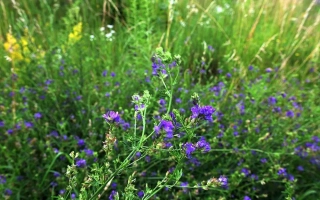
Lucerne
User rating
0 votes0% positive reviews
No ratings yet — be the first.
Plant Height
70-90
Registration year
1996
Prices in stores
from0.29 €per 1 kg
pack from 290.56 € per 1 t
2 offers from 1 store
Store offers · 2 from 1 stores
Prices are updated on loadLoading offers…
Available at: Частный Сад
Aggregator catalog: prices are collected automatically from store websites, normalized by AI and converted at the current exchange rate. Before ordering, confirm the price and availability on the store's website. This block is not indexed by search engines — the data is loaded after the page opens.
About product

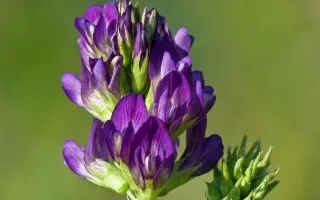
Lucerne Vavilovka 2 is a perennial forage legume with high nutritional value. One kilogram of lucerne hay contains 0.48 feeding units and 103 grams of digestible protein, making it an excellent protein source for animals. During the stem stage, protein content in green mass reaches 21-22%, in the bud stage — 18-19%, and during flowering — 15-17%. Fiber content varies from 25 to 39% on dry matter.…
Plant Height
70-90
Registration year
1996
Description
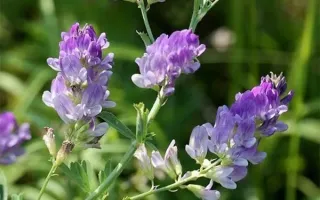
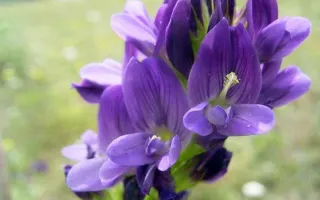
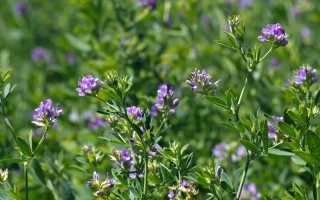
Lucerne Vavilovka 2 is a perennial forage legume with high nutritional value. One kilogram of lucerne hay contains 0.48 feeding units and 103 grams of digestible protein, making it an excellent protein source for animals. During the stem stage, protein content in green mass reaches 21-22%, in the bud stage — 18-19%, and during flowering — 15-17%. Fiber content varies from 25 to 39% on dry matter. Due to its ability to produce numerous new shoots from the root collar, lucerne quickly regenerates after cutting, ensuring high yields of green mass. This crop is more drought-resistant and cold-tolerant compared to clover and esparto, making it especially suitable for cultivation in steppe and southern forest-steppe regions, as well as possible for northern areas of Ukraine. Additionally, lucerne Vavilovka 2 is a good nectar source, capable of providing 90 to 150 kg of honey per hectare. Nectar secretion depends on environmental conditions, including soil and weather factors. At high temperatures and adequate soil moisture, nectar secretion increases, attracting bees. However, during dry periods and when temperatures drop to 10-12 °C, nectar is not secreted. One hectare can yield 157-169 kg of pollen, although bees collect it reluctantly due to the presence of specific repellent substances. Lucerne sowing is recommended early spring in deeply cultivated and weed-free soil. Sowing rates depend on region, soil type, and sowing method: in forest-steppe regions, with row solid sowing — 12-15 kg per hectare, with wide-row — 7 kg, in steppe — 5-7 kg. With irrigation, rates are 6-7 kg for wide-row and 12 kg for row sowing. Seeds are sown at a depth of 5 cm, which is especially important in dry regions to protect young seedlings from drying out. Seedlings emerge quickly, but are very sensitive to adverse weather conditions during the initial period.
Crop & resistance
Crop
Specifications
| Plant Height | 70-90 |
|---|---|
| Registration year | 1996 |
| Catalog | Catalog → Lucerne |
| Legal data |
Show · 1
|
| Country | Ukraine |
Not yet комментариев. Be the first!
Alternatives
Alfalfa seeds · similar varieties


See also
Often considered together with this variety





Recently viewed
Products you’ve viewed on this site
Reviews · 0