


SKU #45793
·
61 views
Angelika
Lucerne
User rating
0 votes0% positive reviews
No ratings yet — be the first.
Plant Height
65-70 cm
Registration year
2015
About product

A reliable choice for consistent three-to-four cuts with high resistance to major diseases.
Plant Height
65-70 cm
Registration year
2015
Description
Stable Yields and Phytosanitary Reliability
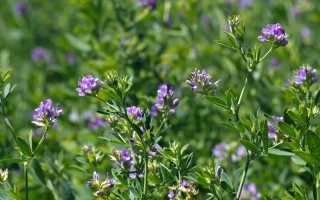
Alfalfa 'Angelika', developed by the Institute of Irrigated Agriculture of the NAAS, is a choice for farms aiming for predictable forage volumes in intensive farming conditions. With a plant height of 65–70 cm, this variety shows an optimal ratio of vegetative mass to regrowth speed after cutting, which is critical for achieving 3–4 cuts per season.
Protection Against Biological Risks
The main challenge in growing legumes in Ukraine is susceptibility to systemic diseases. 'Angelika' mitigates this risk through comprehensive resistance. The variety confidently withstands fusarium wilt and ascochyta blight, which often cause thinning of the stand by the second year. Resistance to bacteriosis allows for maintaining stand density even under high humidity, ensuring crop purity and reducing the need for emergency fungicide applications.
Practical Field Application
- Forage Production: Thanks to uniform growth, this variety allows for a precise mowing schedule, ensuring a consistent supply of green mass or hay.
- Pest Management: In the steppe and forest-steppe zones of Ukraine, the variety shows reduced attractiveness to the alfalfa weevil, which lowers insecticidal treatment costs.
- Crop Rotation: The deep root system of 'Angelika' improves soil structure and enriches it with nitrogen, creating a high-quality agricultural base for subsequent grain crops.
By choosing this variety, farmers acquire a tool with a predictable return that minimizes reliance on aggressive chemical treatments and ensures a stable protein yield per hectare.
Crop & resistance
Crop
Disease resistance
Pest resistance
Specifications
| Plant Height | 65-70 cm |
|---|---|
| Registration year | 2015 |
| Catalog | Catalog → Lucerne |
| Legal data |
Show · 1
|
| Country | Ukraine |
Store offers
Prices are updated on loadLoading offers…
Aggregator catalog: prices are collected automatically from store websites, normalized by AI and converted at the current exchange rate. Before ordering, confirm the price and availability on the store's website. This block is not indexed by search engines — the data is loaded after the page opens.
Not yet комментариев. Be the first!
Alternatives
Alfalfa seeds · similar varieties


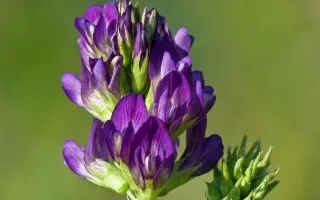



See also
Often considered together with this variety


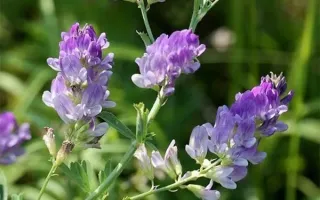
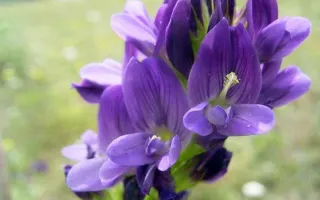


Recently viewed
Products you’ve viewed on this site
Reviews · 0