


SKU #44870
·
30 views
Mezquite
Lettuce
Enza LimitedUser rating
0 votes0% positive reviews
No ratings yet — be the first.
Color
Green
Head / Rosette; weight
Big
Registration year
2020
Prices in stores
from19.02 €per 1000 seeds
pack from 0.6 € per 15 pcs
5 offers from 4 stores
Store offers · 5 from 4 stores
Prices are updated on loadLoading offers…
Available at: Agrise · Агро-Якість · Our World · Semena-online
Aggregator catalog: prices are collected automatically from store websites, normalized by AI and converted at the current exchange rate. Before ordering, confirm the price and availability on the store's website. This block is not indexed by search engines — the data is loaded after the page opens.
About product

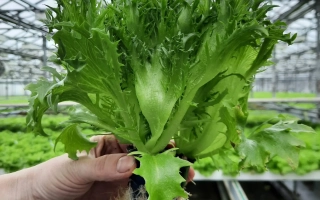
Mezquite salad is a hybrid variety developed by the Dutch company Enza Zaden, intended for cultivation in open ground from early spring to autumn. It features a large rosette with a diameter of 29–30 cm and bright green color with large, blistered leaves. This salad has high productivity — up to 25 tons per hectare, making it attractive for commercial cultivation. Mezquite seeds have a high germin…
Color
Green
Head / Rosette; weight
Big
Registration year
2020
Description
Mezquite salad is a hybrid variety developed by the Dutch company Enza Zaden, intended for cultivation in open ground from early spring to autumn. It features a large rosette with a diameter of 29–30 cm and bright green color with large, blistered leaves. This salad has high productivity — up to 25 tons per hectare, making it attractive for commercial cultivation. Mezquite seeds have a high germination rate of up to 97% and can be sown directly into the soil or into special seedling trays, providing flexibility in planting methods. Mezquite is highly resistant to bolting, marginal scorch, and many common lettuce diseases, significantly simplifying care and improving crop quality. The variety also demonstrates stress resistance to sudden temperature fluctuations and other adverse conditions, making it a reliable choice for various climatic zones. The flavor quality of the lettuce is highly appreciated, and after cutting, it retains an attractive market appearance for a long time, which is important for transportation and product sales. Successful cultivation of Mezquite requires moderate watering, regular soil loosening, weed removal, and fertilization approximately once a month. Plants require good lighting and monitoring of their condition, despite their resistance to diseases. Due to these characteristics, Mezquite salad is suitable for both home gardens and larger-scale production, ensuring a stable and high-quality harvest with minimal labor input.
Crop & resistance
Disease resistance
Pest resistance
Specifications hover over for a hint about the specification
|
Color
Color
The leaf color may vary in light-, dark-, gray-green shades with yellow, red, brown or purple pigmentation. |
|
|---|---|
| Head / Rosette; weight | |
| Registration year | 2020 |
| Catalog | Catalog → Lettuce |
| Manufacturer | Enza Limited |
| Country | Netherlands |
Not yet комментариев. Be the first!
Alternatives
Lettuce seeds · similar varieties



See also
Often considered together with this variety





Recently viewed
Products you’ve viewed on this site
Reviews · 0