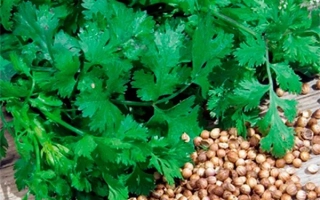
Coriander is an annual plant of the Apiaceae family, widely known as a spice and condiment in cooking. Its seeds contain up to 1.5% essential oils, the main component of which is linalool, giving the spice its characteristic soft, spicy aroma with nutty-sweet and citrus notes. The taste and aroma of coriander are especially revealed during heat treatment, which makes it an indispensable ingredient in various cuisines of the world, including Indian, Middle Eastern, and European.
Coriander seeds are used as a seasoning for meat, fish, poultry, game, as well as vegetables — legumes, cabbage, carrots, turnips, and roasted vegetables. They are part of popular spice blends such as curry, garam masala, harissa, and baharat. In addition, coriander is often added to brines, marinades, and sauces for preserving cucumbers, mushrooms, and tomatoes. The spice is also used in baking and spiced baking, especially in combination with anise, fennel, and cumin, and in some countries — for flavoring alcoholic beverages.
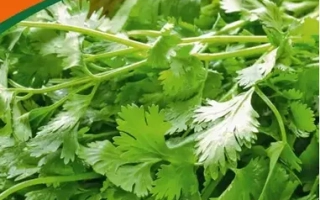
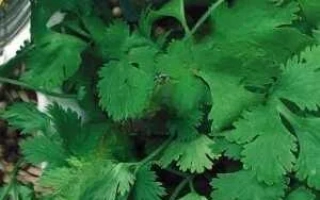
In addition to seeds, coriander is also valuable for its fresh leaves, known as cilantro. The leaves have a fresh, light aroma and an original taste that gives dishes a special piquancy. Cilantro is widely used in salads, soups, marinades, and as a side dish. To ensure a constant supply of fresh cilantro during the summer period, it is recommended to sow it regularly every 2-3 weeks. Thus, coriander is a versatile plant that enriches dishes not only with taste and aroma but also with useful nutrients.